
Cotler Institute Annual Strategic Workshop and Graduation Ceremony
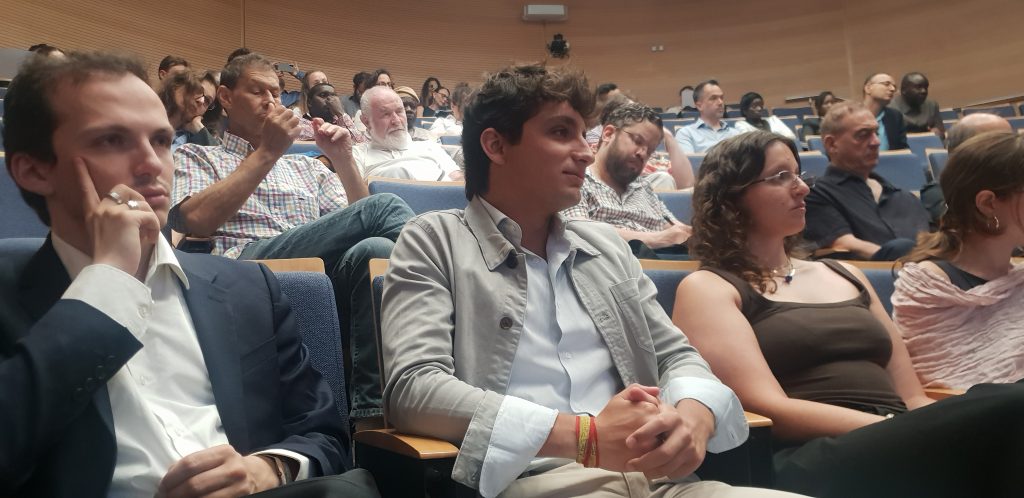
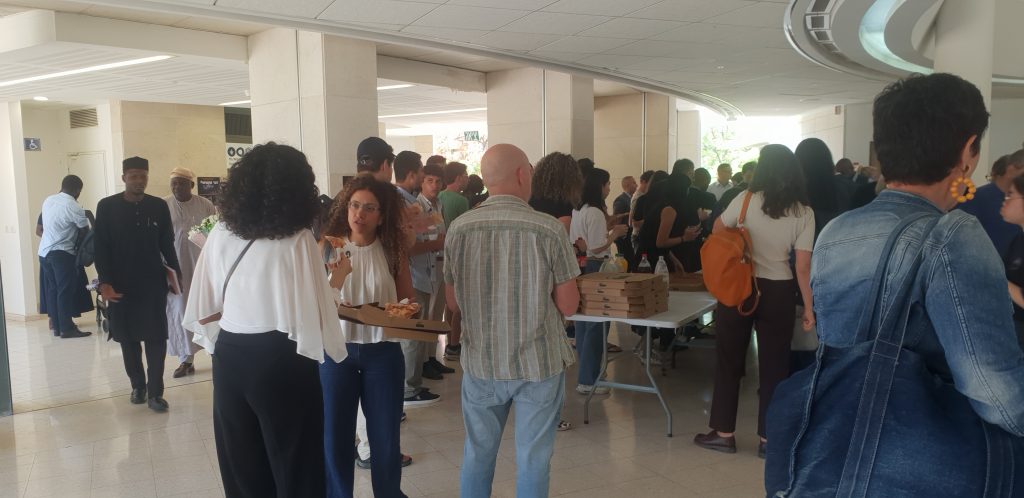
On Sunday, June 21, the Irwin Cotler Institute held its Annual Strategic Workshop for members of the Israel-based diplomatic corps, international press based in Israel, international students, and Irwin Cotler Fellows. The workshop was attended by 112 participants, including ambassadors and senior diplomatic representatives from 35 countries. Dr. Carl Yonker, the Academic Director of the Cotler Institute, headed the workshop’s organizing committee. The workshop was co-organized and moderated by Ms. Maria Ellul, Irwin Cotler Fellow 2025-2026.
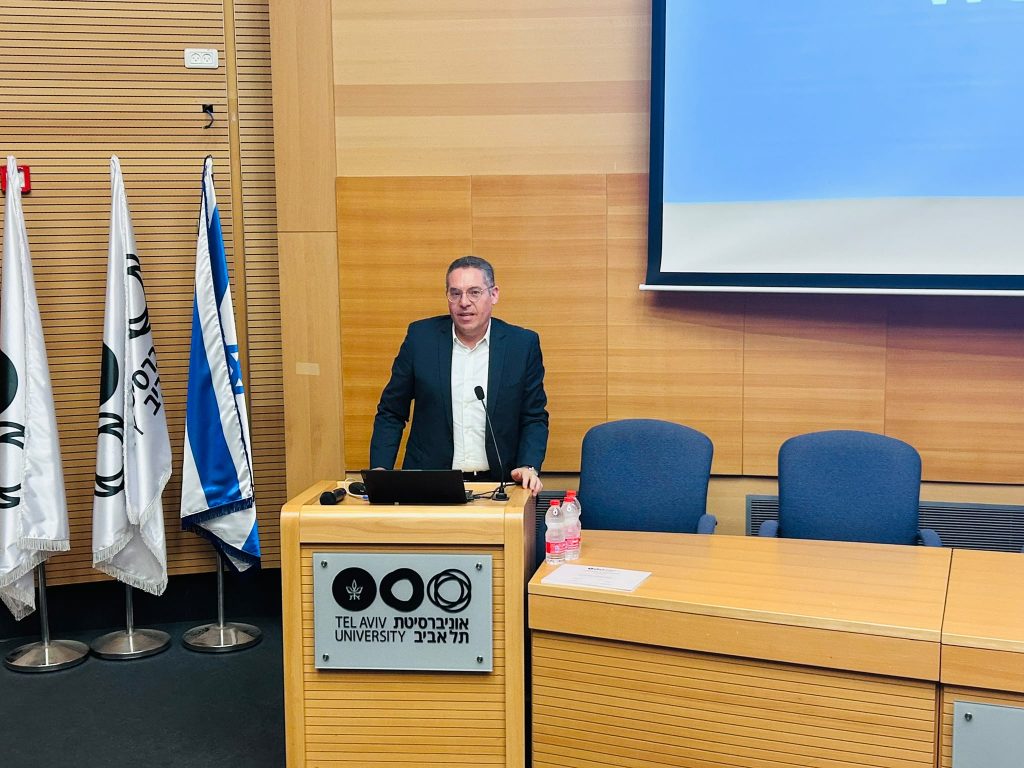
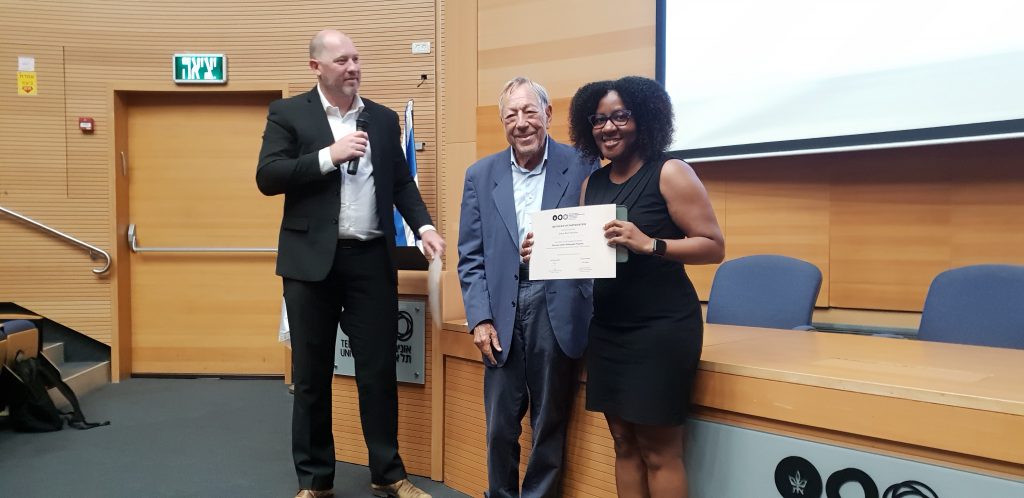
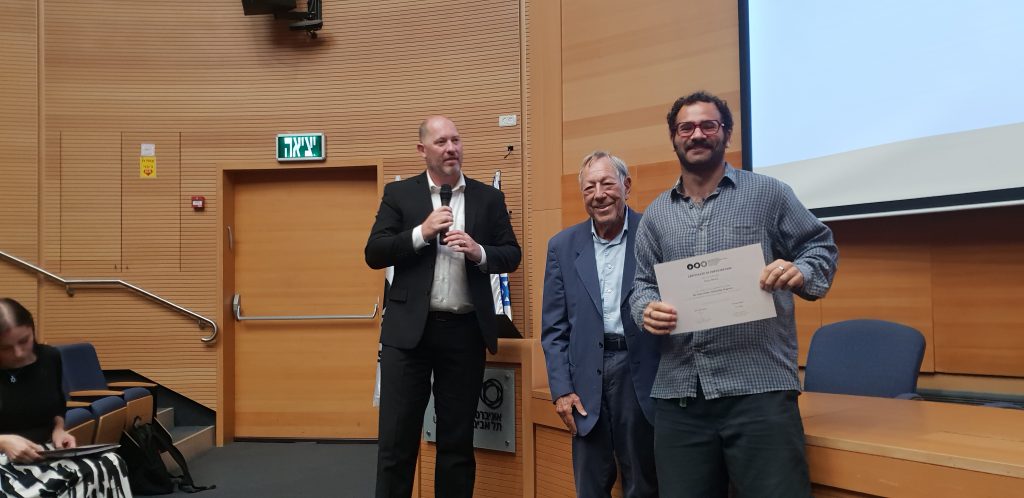
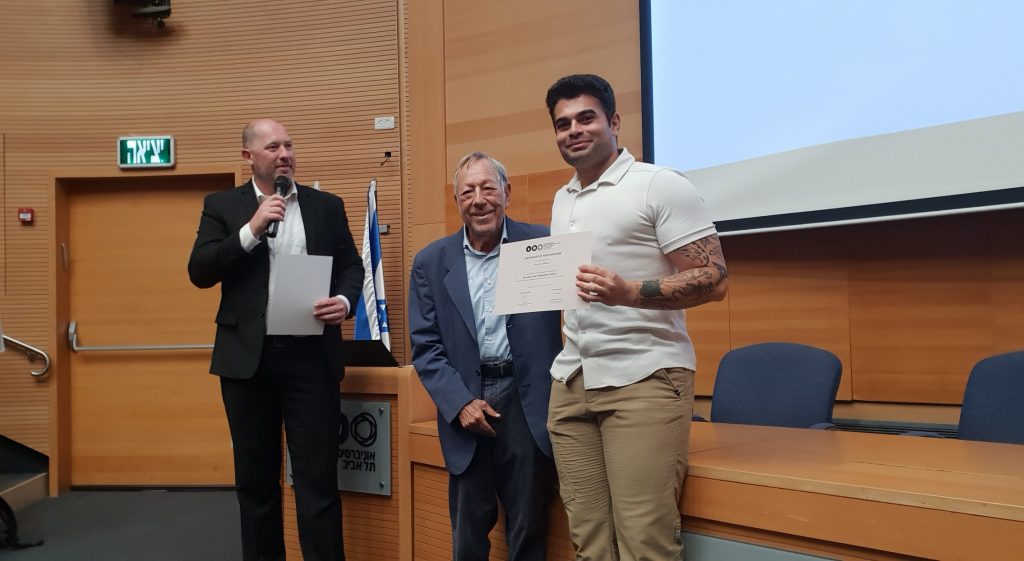
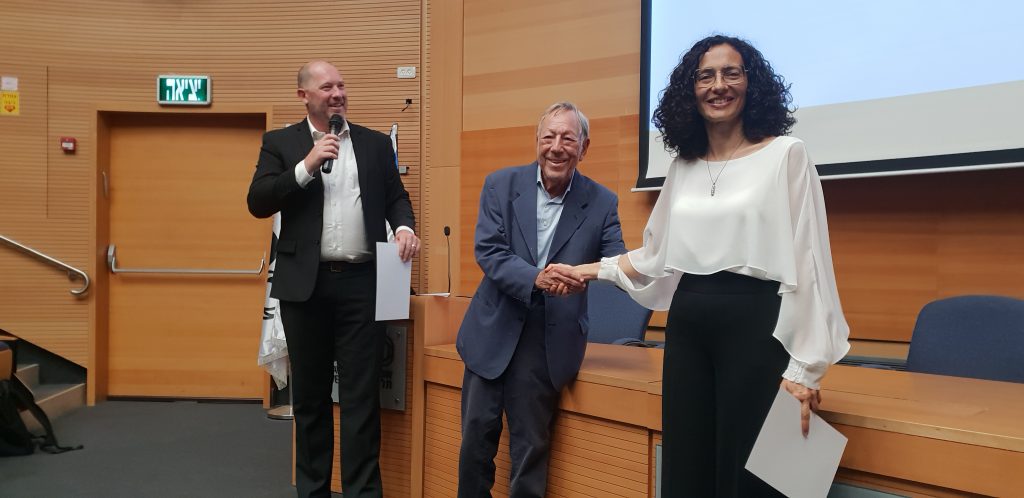
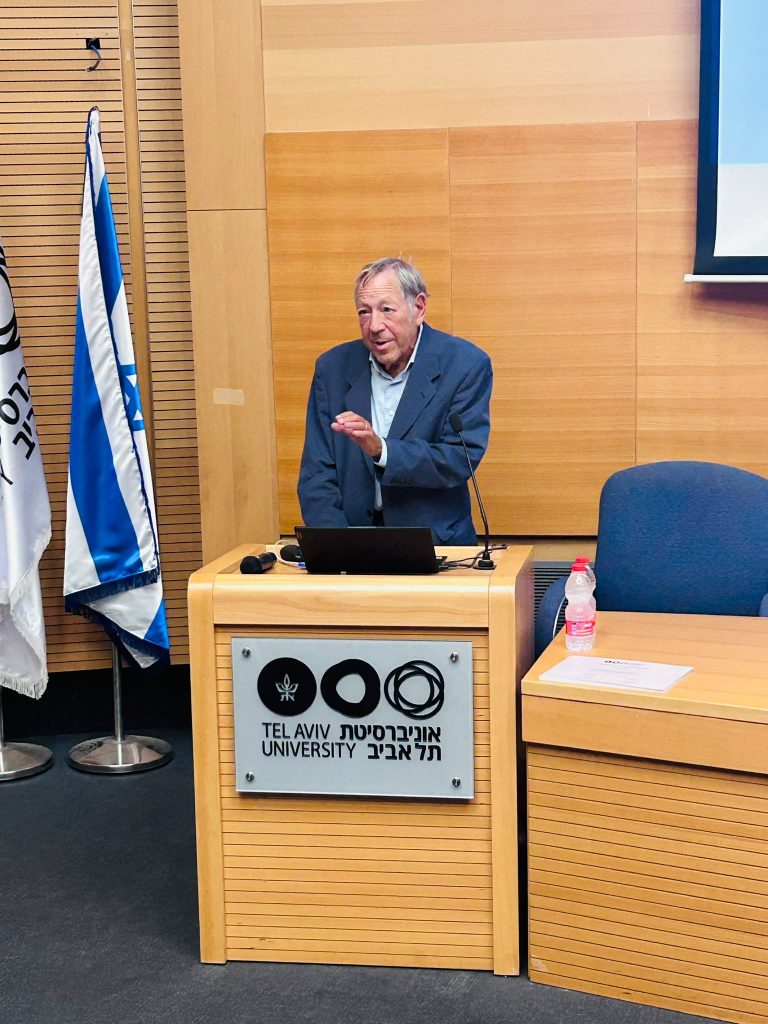
The workshop opened with greetings from Mr. Amos Elad, Tel Aviv University’s Vice President for Resource Development, and the Honorable Prof. Irwin Cotler, former Minister of Justice and Attorney General of Canada. Following their remarks, a graduation ceremony for the 2025-2026 cohort of the Cotler Fellowship Program was held, in which Dr. Yonker and Prof. Cotler conferred certificates of completion to the 23 Fellows who hail from 19 countries. Prof. Uriya Shavit, Head of the Cotler Institute, then delivered introductory remarks.

The first session assessed the Middle East’s rapidly changing strategic environment. Dr. Raz Zimmt, the head of Iran research at Tel Aviv University’s Institute for National Security Studies and a former top IDF intelligence analyst of Iran, offered a critical analysis of the shortcomings and problematic aspects of the recently signed Memorandum of Understanding between the United States and Iran. Former Member of Knesset, CEO of ROPES, and non-resident fellow at Chatham House, Ms. Ksenia Svetlova then examined the current foundations of the relationship between the United States, Israel, and the wider region, focusing on geopolitical developments in the Gulf states as a result of the Iran war. Dr. Yonker concluded the session with an analysis of Lebanon’s current political instability, the security situation in south Lebanon, and the prospects of direct Lebanese-Israeli negotiations.
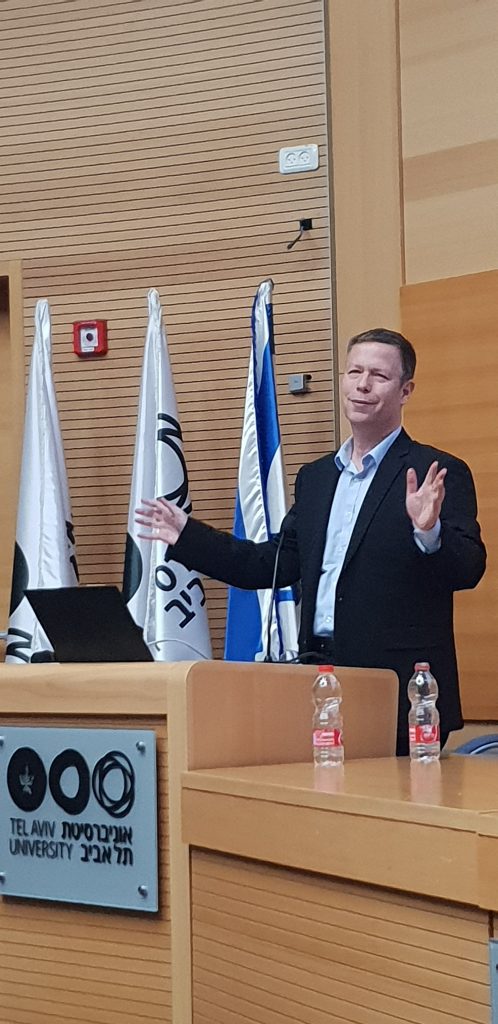
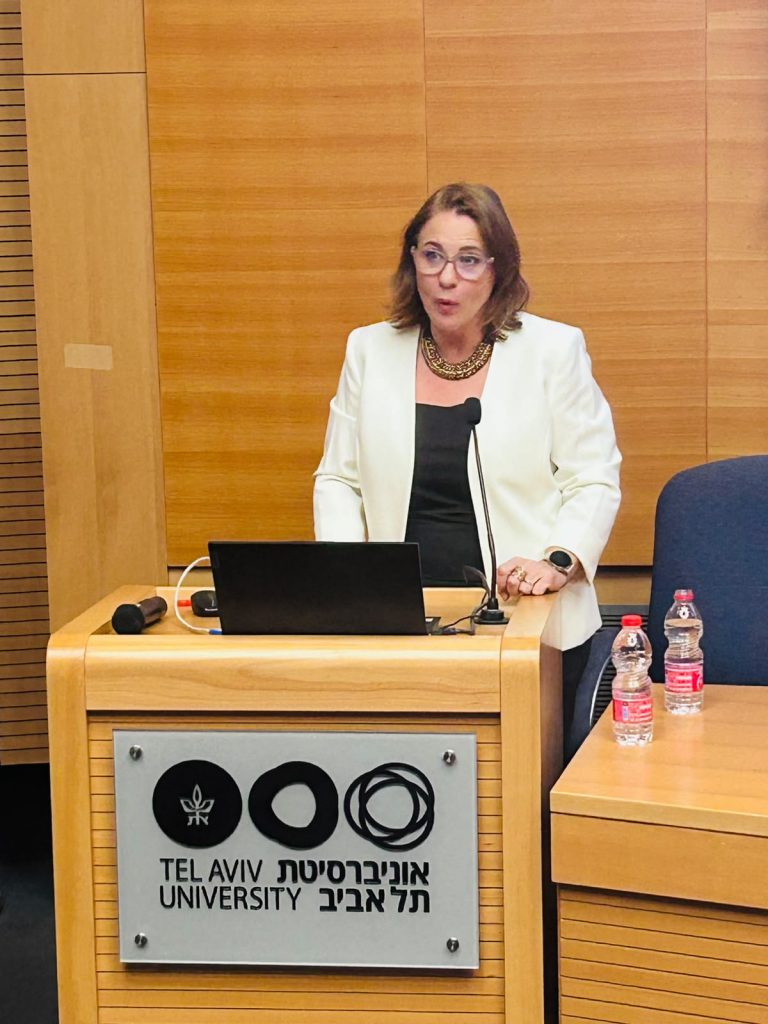
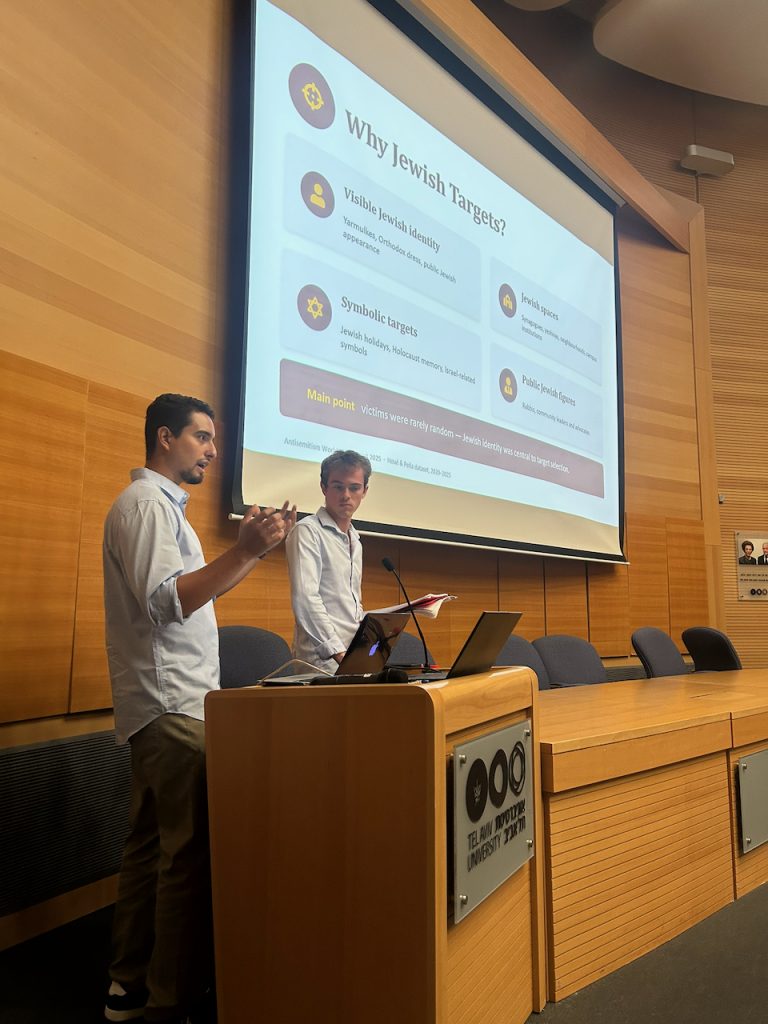
The second session explored contemporary antisemitism. Prof. Cotler opened an examination of the historical foundations of antisemitism, highlighting its resurgence in response to recent escalations in Israel and emphasizing the need for governmental action. Irwin Cotler Fellows Mr. Elie Houé and Mr. Antonio Peña then presented findings from a research project, conducted with Noah Abrahams under the direction of Dr. Carl Yonker, on the perpetrators of antisemitic crimes that appeared in the Annual Antisemitism Worldwide Report, co-published by the Institute.
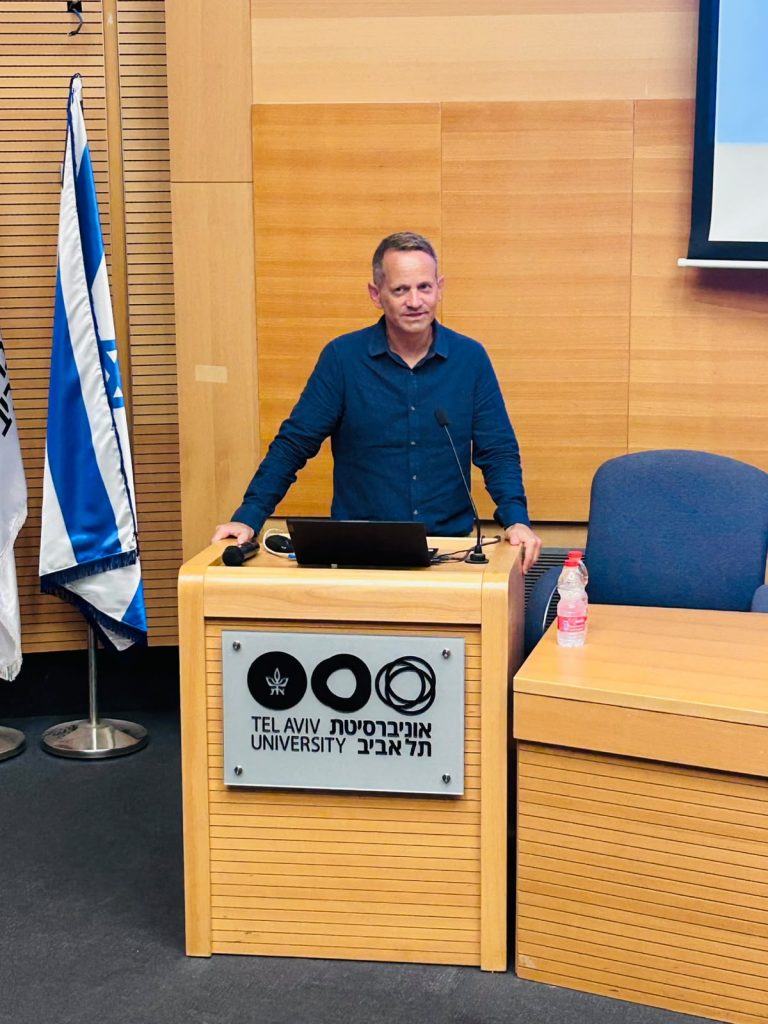
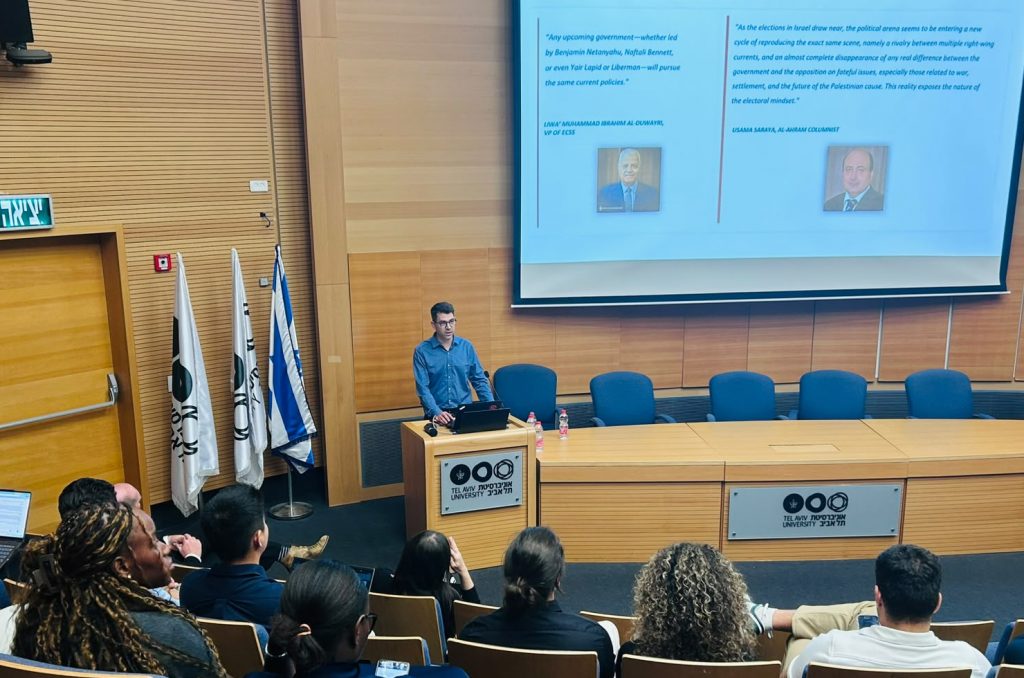
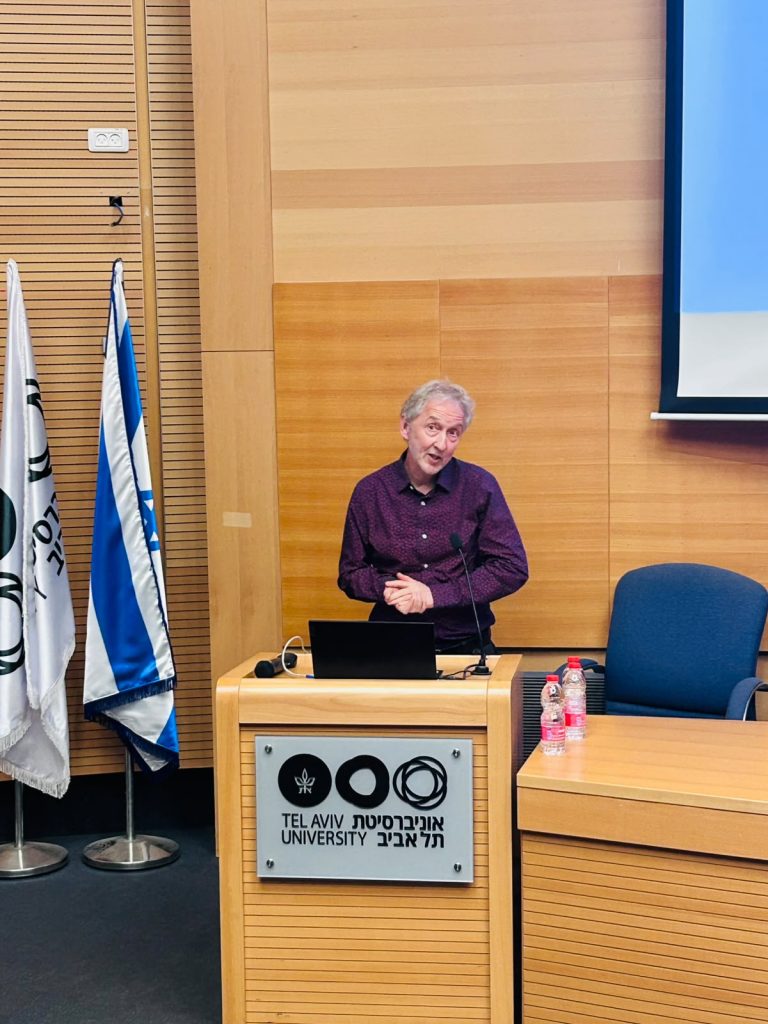
The third session focused on the upcoming Israeli elections. Former Member of Knesset and one of Israel’s leading economists, Professor (Emeritus) Manuel Trajtenberg opened with an analysis of the current state of the Israeli economy in comparison with its pre-October 7 condition and advanced the argument that the economy will not be a decisive factor in the upcoming elections. Dr. Ofir Winter examined contradictory perspectives in Arab media on the elections, noting both a hope for change and a resignation that such change will not amount to anything, raising the question of why, under such assumptions, they would not prefer the “devil that they know.” Finally, Prof. Shavit challenged the long-standing assumption that ethnic background, particularly distinctions such as Ashkenazi and Mizrahi identity, explains voting behavior in Israel. Drawing on data dating back to the late 1970s, he argued that voting patterns are shaped far more strongly by levels of religiosity and highlighted the implications of this trend in light of the growing Haredi population.

The fourth session explored the challenges facing the Jewish world. Her Excellency Ambassador Ruth Cohen-Dar, Israel’s Ambassador to Malta and Slovenia, discussed the relationship between Israel and the Jewish world, as well as the ongoing challenges confronting Jewish communities. Mr. David Horovitz, the founder and editor of the Times of Israel, reflected on his family’s personal history as a lens through which to understand the rise of antisemitism and the challenges it has posed to Jewish communities. He also addressed the difficulties created by irresponsible reporting on the conflict in Israel in international media.
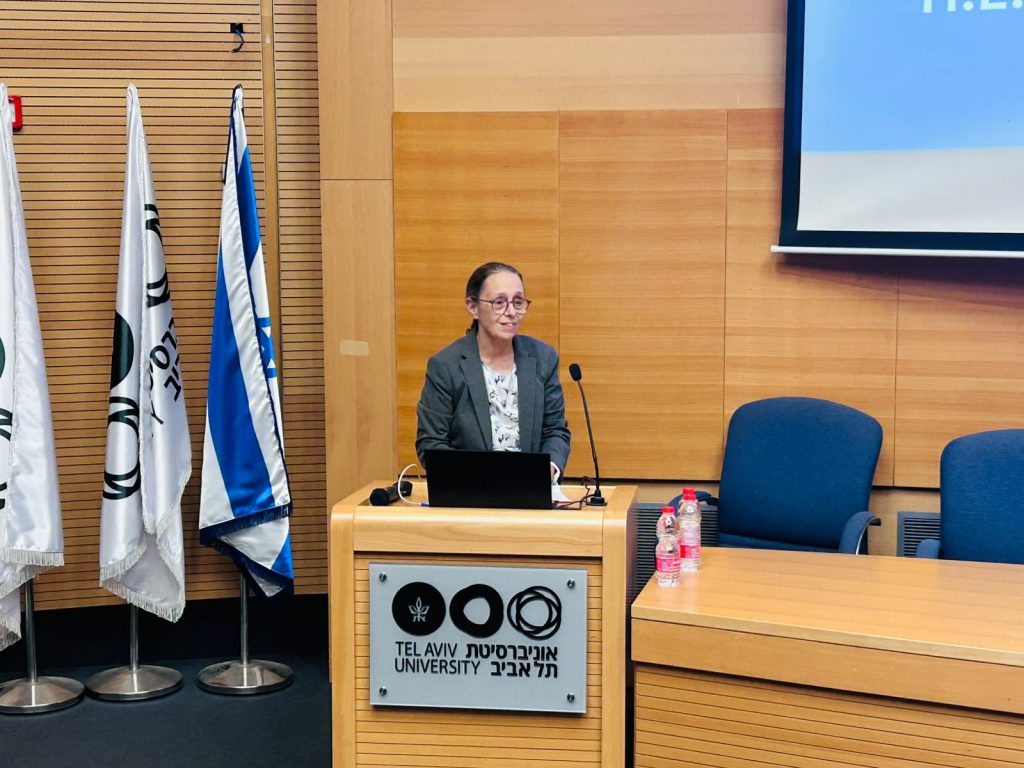
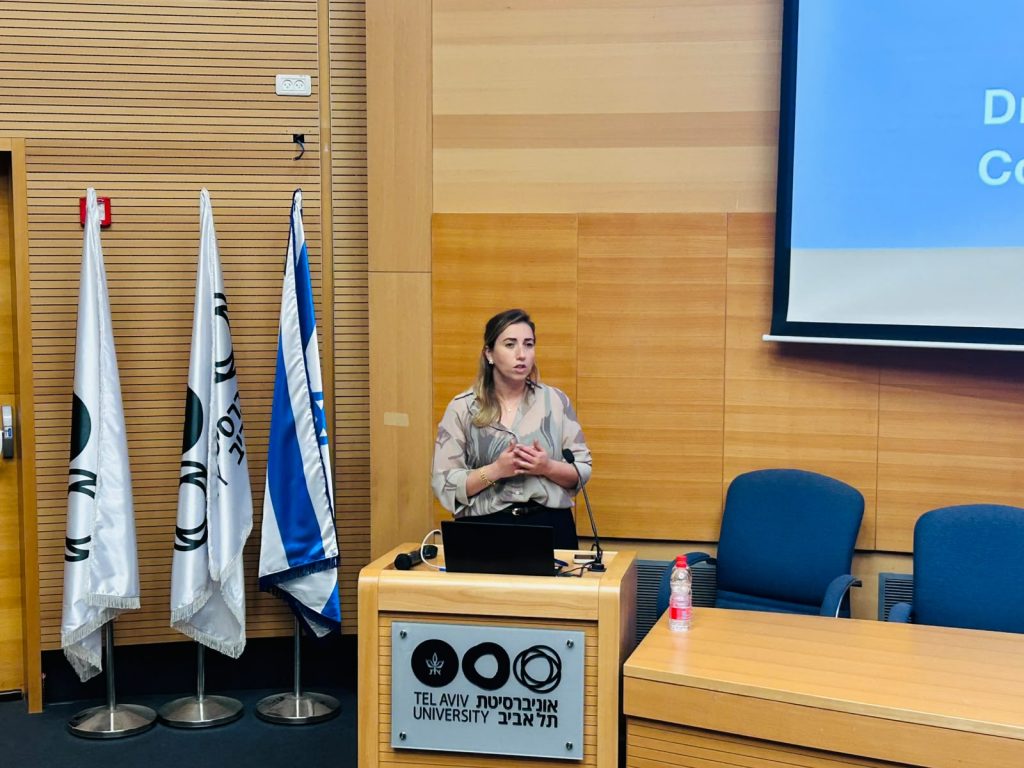
The final session focused on memory, accountability, and justice in the aftermath of October 7. Dr. Cochav Elkayam-Levy, founder and chair of the Civil Commission on October 7 Crimes by Hamas Against Women and Children, thanked Prof. Cotler for his support throughout the challenges the Civil Commission faced in compiling and publishing reports documenting the scale and forms of violence inflicted on Israeli victims on October 7 and in its aftermath, including during captivity. Dr. Elkayam-Levy discussed the Civil Commission’s findings and emphasized the importance of confronting the denial of the atrocities committed and recognizing the suffering of the victims.
To watch the recording of the workshop:
Graduation Ceremony & First Session
Second Session
Third Session
Fourth & Fifth Session
