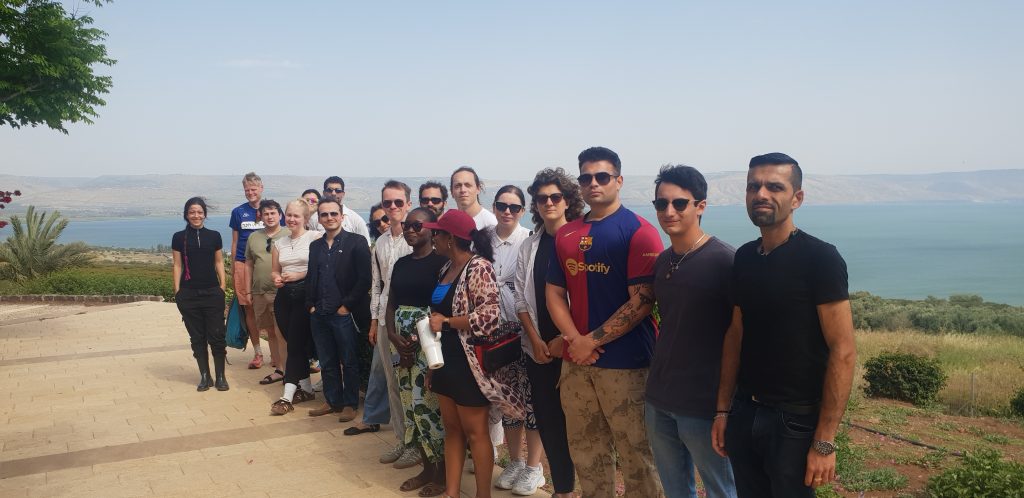
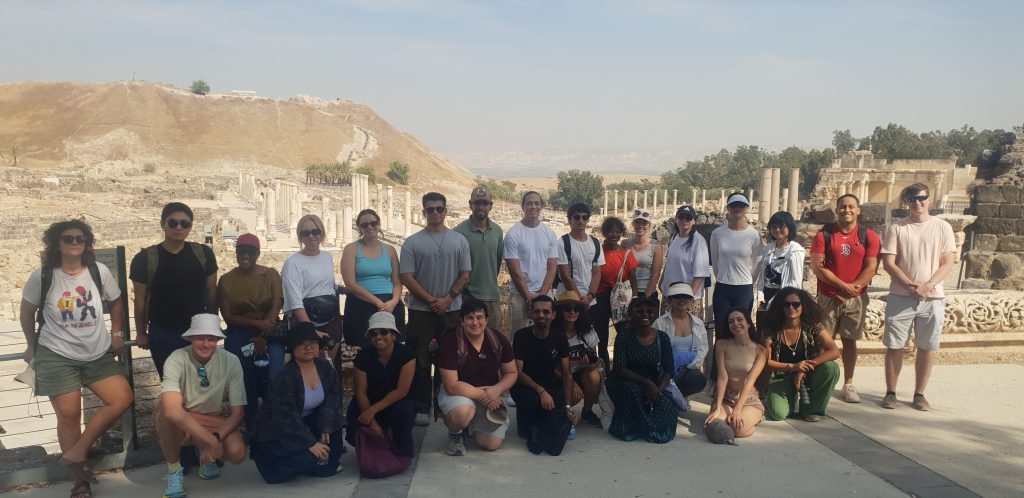
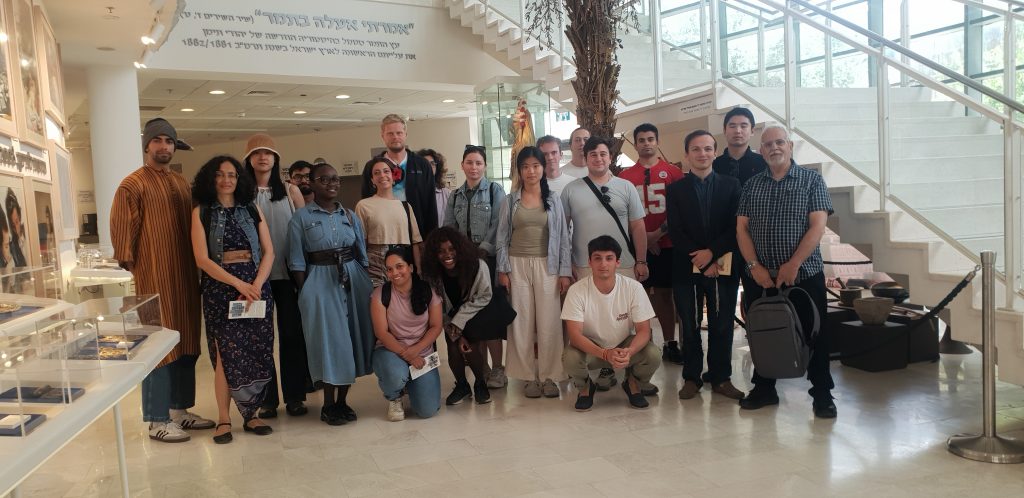
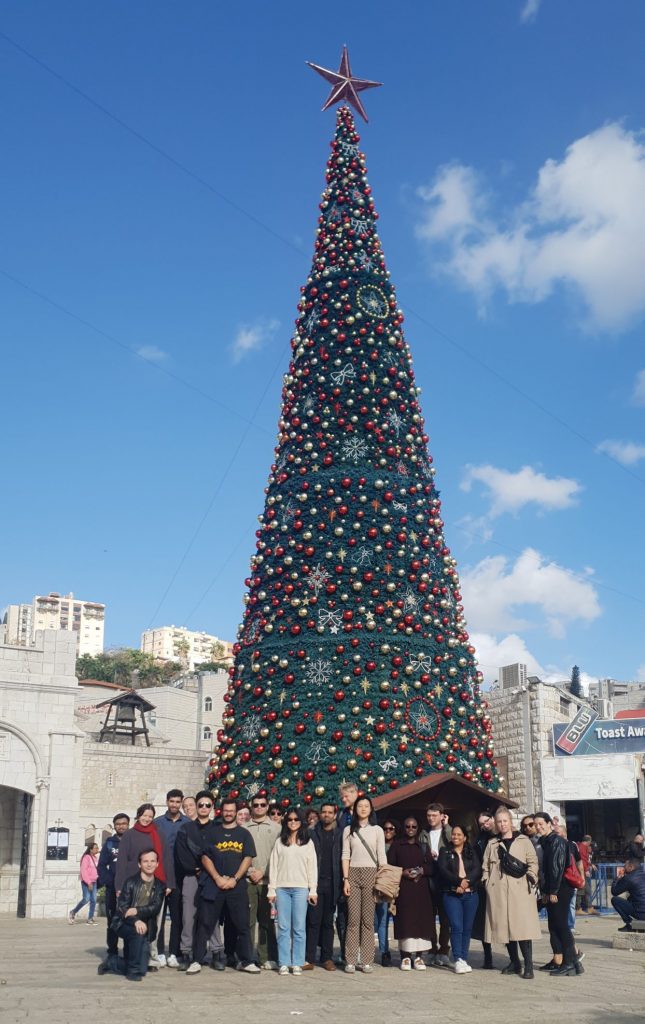
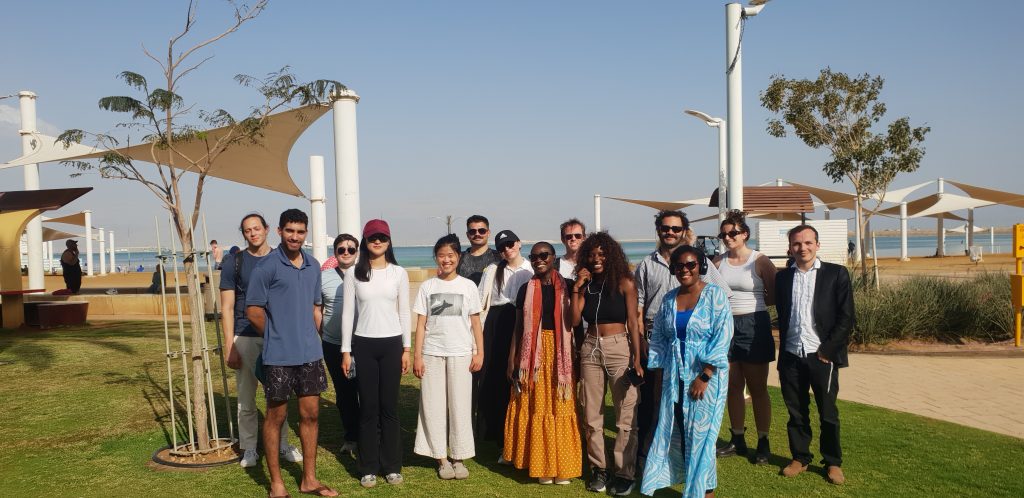
Cotler Fellows during the academic year 2025-2026 took part in a program rich with lectures, field trips, and workshops that acquainted them with Israeli society, history, landmarks, and landscapes, and informed them on the means to promote human rights and democracy and to fight antisemitism and racism at large. The fourth cohort, which brought together 23 of the best and brightest international students from 19 countries, included Fellows from several countries that were represented for the first time, including South Korea, Kenya, Haiti, China, Spain, Ghana, Uganda, and Malta. Upon the conclusion of the program, several described the impact it had on them.
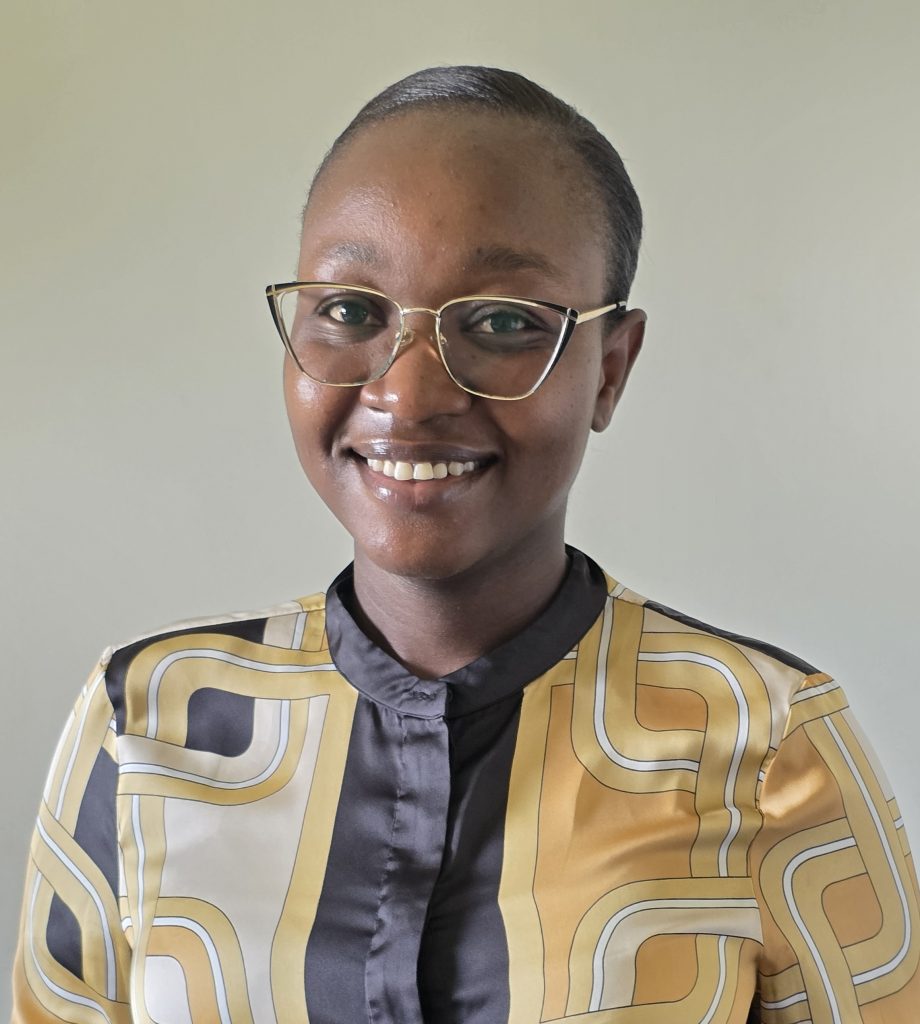
“The fellowship was an incredibly enriching experience. It brought together people who are deeply passionate about human rights, justice, and democracy, creating a safe space for open, respectful discussions on difficult issues from different perspectives. The guest speakers and Ambassadors Club sessions inspired thoughtful conversations and encouraged critical thinking.
One of the most valuable aspects of the program was the opportunity to experience Israel beyond the classroom through visits to religious sites, archaeological sites, and marginalized communities, giving me a deeper understanding of the country’s history and society. I also appreciated the strong focus on personal development, particularly the training in public speaking, media engagement, and workshop facilitation, which gave me the confidence to lead a workshop outside my area of expertise.
I would highly recommend this fellowship to students from all disciplines, as it broadens perspectives and equips participants with valuable skills that extend far beyond their field of study.”
Joan Otieno (Kenya)
“The Irwin Cotler Institute fellowship was a very positive and enlightening experience, one that allowed me to make the most of my few months in Israel to gain as broad a perspective as possible on the state’s political diversity. I was able to learn all of this by exploring many parts of the country that I would not have visited on my own, which gave me a much more comprehensive (and entertaining) understanding of the key democratic challenges facing Israel and the Middle East more broadly. I highly recommend this experience to any student interested in contemporary political issues.”
Elie Houé (France)
“The program was an outstanding complement to my studies. Meeting participants from 19 countries broadened my understanding of diverse cultures and brought a wide range of perspectives to the class discussions. The lectures covered topics ranging from democracy and extraterritorial voting rights to Holocaust education around the world, and featured speakers of exceptional calibre. We also participated in numerous field trips that brought our learning about Israeli society beyond the classroom and into real-world settings. Highlights included meeting religious and community leaders from a variety of backgrounds, including ultra-Orthodox and Arab-Israeli communities. Overall, it was a fascinating and enriching experience that enhanced my studies while providing valuable opportunities to connect with people, ideas, and places.”
Nancye Kochen (Australia)
“The Irwin Cotler Fellowship has been one of the best experiences of my time as a student at Tel Aviv. The program has taken us to places I never thought I would go — experiences I genuinely could not have found anywhere else.
The lecture that remained with me the most was that of Dr. Sharon Nazarian, an Iranian-American academic and international affairs expert, about Iranian Jewish identity and what life is really like inside Iran—the kind of firsthand account you simply can’t get from a book. The field trips hit just as hard: walking through the ruins at Beit She’an and Caesarea gave me a completely different sense of the historical weight this region carries, layer upon layer of civilizations you can still see stacked on top of each other. And visiting Mea Shearim, getting to actually see and understand the ultra-Orthodox way of life up close, was one of those experiences that no article or documentary could have given me in the same way.
Beyond the experiences themselves, the Institute also opened real doors professionally. I had the opportunity to contribute to the Antisemitism Worldwide Report for 2025, published by the Center for the Study of Contemporary European Jewry and the Irwin Cotler Institute—a chance to see how serious academic research translates into work that actually informs public understanding and policy.
I’d recommend this fellowship without hesitation to any student, regardless of their field—it’s one of those experiences that ends up shaping you well beyond the months you actually spend in it.”
Miguel Leboso Moriano (Spain)
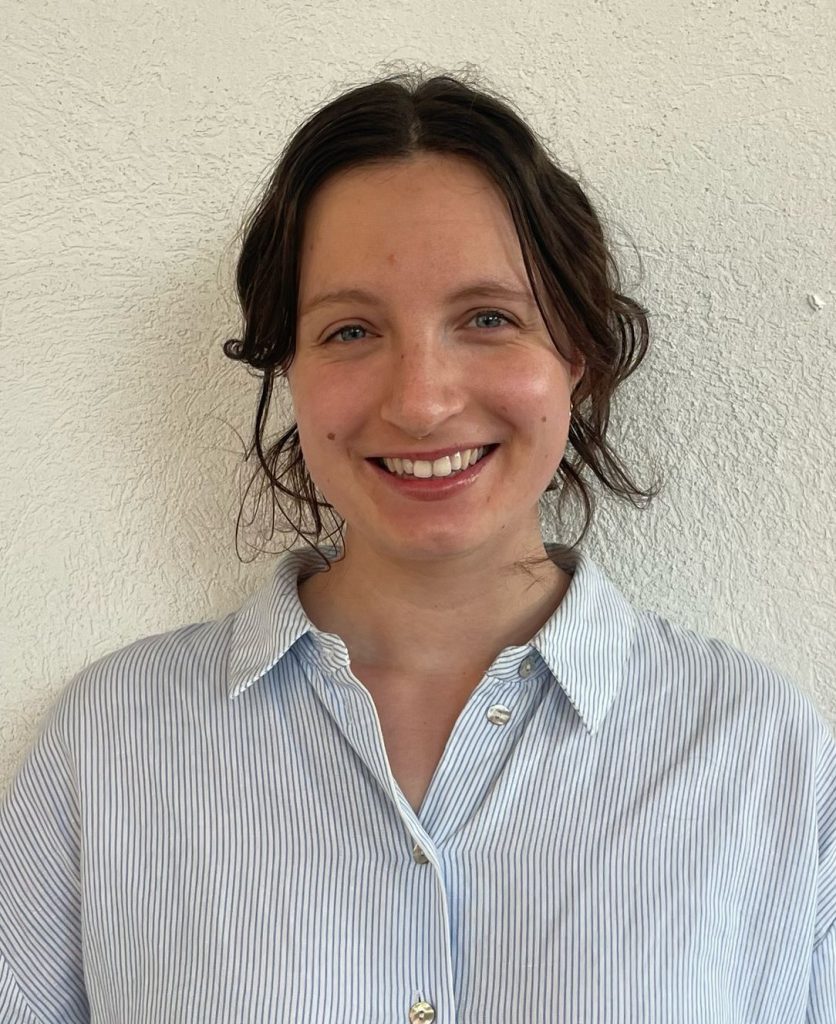
“I applied to the Irwin Cotler Fellowship Program with great enthusiasm, not only because I saw it as a wonderful opportunity to receive a scholarship that would allow me to devote more time to my research, but also because I considered it an excellent opportunity to learn. However, given my age, deep down I did not really believe I would be selected. I had looked up the profiles of fellows from previous years online, and it was quite clear that most of them were much younger than I was. Therefore, when I received the email informing me that I had been accepted, I felt a great sense of astonishment, immediately followed by happiness and satisfaction.
I had read a lot about the program, the topics that would be addressed during the lectures, and the field trips planned to allow us to gain a deeper understanding of Israel. I was truly excited. Yet I never expected to reach the end of the program and feel such deep sadness at the conclusion of that magnificent experience.
It was like a journey that deeply enriched me and transformed me. And I am not referring only to the knowledge I acquired on subjects I knew little about, or not at all, nor only to the skills I developed through the assignments I completed. I am referring to the sharing of life experiences, stories, and places that left a deep mark on me.
From a journey, one almost always returns with suitcases full of memories. I return from this journey with much more than memories. My suitcase is full of deep appreciation for the opportunity I was given, gratitude for all that was passed on to me, and an even stronger desire to continue exploring and researching. I return deeply aware that dialogue and open exchange, when grounded in respect, can take us far. I have learned that age did not matter and does not matter. What matters is keeping one’s mind and soul open, having the courage to listen, to question oneself, and to continue learning.”
Carmela Dilettoso (Switzerland)
Call for Applications – The Irwin Cotler Fellowship 2026-2027
The Irwin Cotler Institute for Democracy, Human Rights and Justice at Tel Aviv University (TAU) welcomes applications from TAU International Students for its Cotler Fellowship Program for the academic year 2026/2027. Fellows will receive scholarships of up to 17,000 Shekels.
The program involves lectures and discussions on present-day challenges to democracy, human rights and justice; acquaints fellows with Israeli history and with the historical and human landscapes of the country, and instructs them about the origins of racism, and antisemitism specifically, their present-day manifestations and the means to fight them.
The Program will be in English and consists of 26 meetings, including lectures, discussions, and field trips, held largely during the winter and spring semesters.
The Program will commence on October 18, 2026, and end on June 27, 2027. Meetings will take place on Sundays between 10:00-14:00. Field trips will also take place on Sundays.
Participants will –
• Attend lectures and discussions on topical strategic and moral issues given by leading scholars
• Gain practical training in oratory and advocacy from leading policymakers and professors
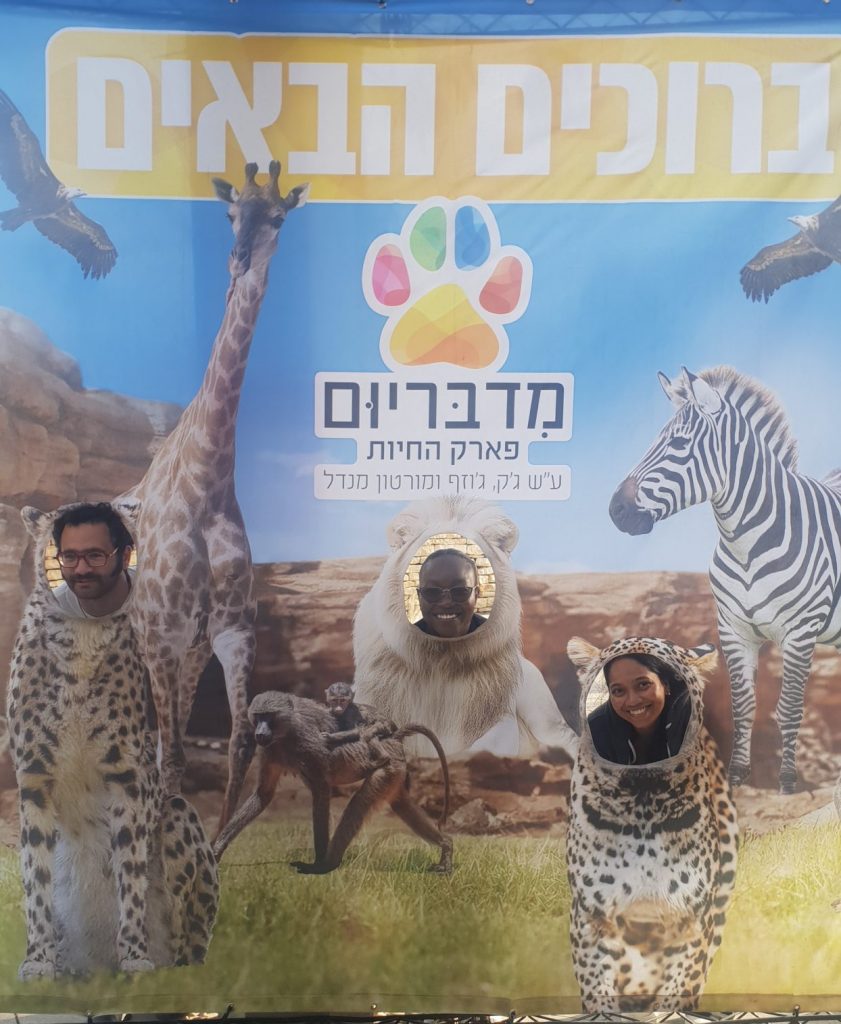
• Join field trips to museums and to some of the most exciting nature and archeological sites across Israel. Past trips have included the Dead Sea, the Ramon Crater, Nazareth, The Sea of Galilee, Mount Herzl, Caesarea, Mea Shearim, Kafr Qasim, Gan Hashlosha, Zichron Yaacov, The Desert Zoo, and numerous archeological sites and history museums (free of any charge)
• Receive scholarships of up to 17,000 Shekels
• Prepare and lead workshops that contribute to the fight against antisemitism and racism at large, or the advancement of democracy and democratization
To be eligible for the scholarship, participants are expected to attend and participate in all class meetings, read and engage with assigned texts, prepare at least one workshop, and complete any other required assignments. Distinguished participants will be encouraged and additionally financially supported to initiate and conduct workshops in their home countries during the summer break and following the conclusion of their studies.
Applications are open to all TAU international masters’ students, Ph.D. candidates, and post-doctoral students of all academic disciplines, all faiths, and of all nationalities with public leadership potential. Exceptionally talented undergraduate students will also be considered. The committee is not obligated to accept applicants.
The acceptance rate over the previous four years of the program has been around 25% of the applications received.
The Irwin Cotler Institute for Democracy, Human Rights and Justice advances the intellectual and moral legacy of a champion of the fight against the Apartheid regime, a former Justice Minister and Attorney General of Canada, and currently Canada’s Special Envoy on Preserving Holocaust Remembrance and Combatting Antisemitism.
Application Process
Applications (including a CV and contact details) should be sent to Dr. Carl Yonker by August 31, 2026: yonker@mail.tau.ac.il. The results will be announced by October 1, 2026.
Any questions and inquiries should be directed to Dr. Carl Yonker (yonker@mail.tau.ac.il).
Among Roman Ruins
On June 14, the Cotler Fellows went on their final field trip for the 2025-2026 academic year, visiting Caesarea National Park and the ancient Roman aqueduct at Caesarea Beach, both among Israel’s most important archaeological and historical sites.
Founded by Herod the Great in the first century BCE and named in honor of the Roman Emperor Augustus Caesar, Caesarea served as the administrative capital of Roman and later Byzantine Palestine. The Fellows explored the remarkably preserved Roman theater, ancient harbor, hippodrome, and Crusader-era fortifications, gaining insight into the city’s significance as a political, commercial, and cultural center for centuries.
After touring the archaeological remains, the Fellows spent the afternoon relaxing at the Caesarea Beach near the ancient Roman Aqueduct, located just north of the national park. The impressive Roman aqueduct, built some 2,000 years ago, once carried fresh water from springs near Mount Carmel to the city over a distance of approximately 16 kilometers.
Gender and Israeli Politics
On June 7, Prof. Uriya Shavit, the Head of the Institute, discussed the history of the struggle over women’s right to vote in the early days of the Zionist community in Mandatory Palestine and how ultra-Orthodox opposition to universal suffrage was defeated. Prof. Shavit also discussed the complicated legacy of Golda Meir, the first woman to serve as prime minister in a Western democracy, including with regard to gender rights.
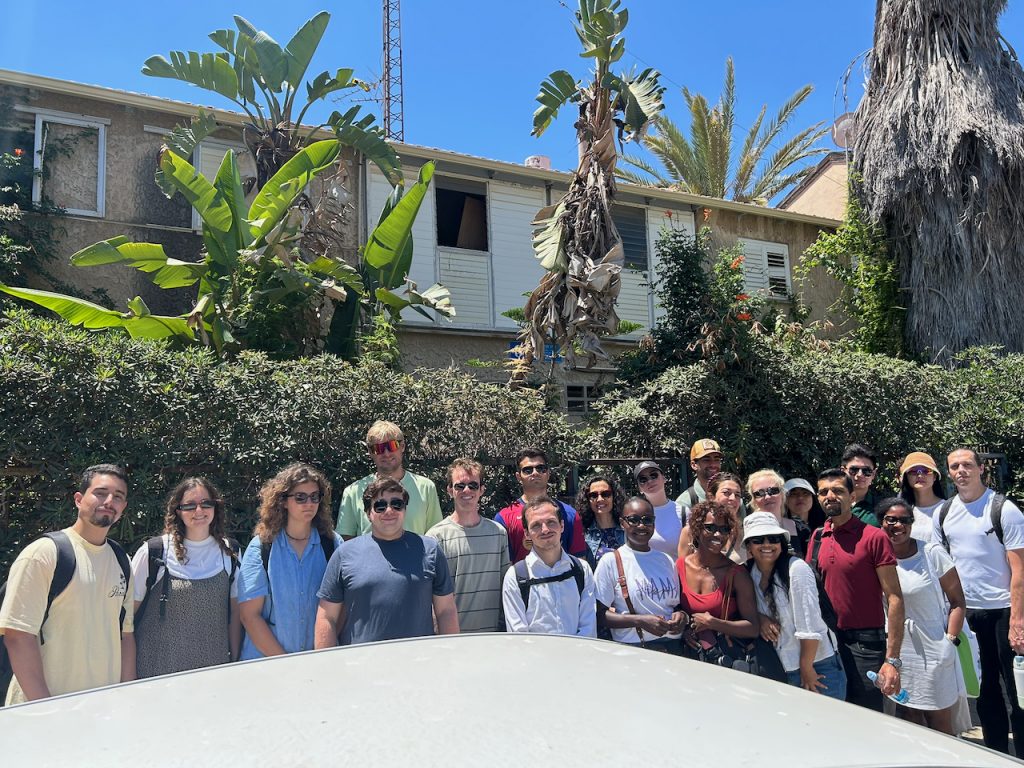
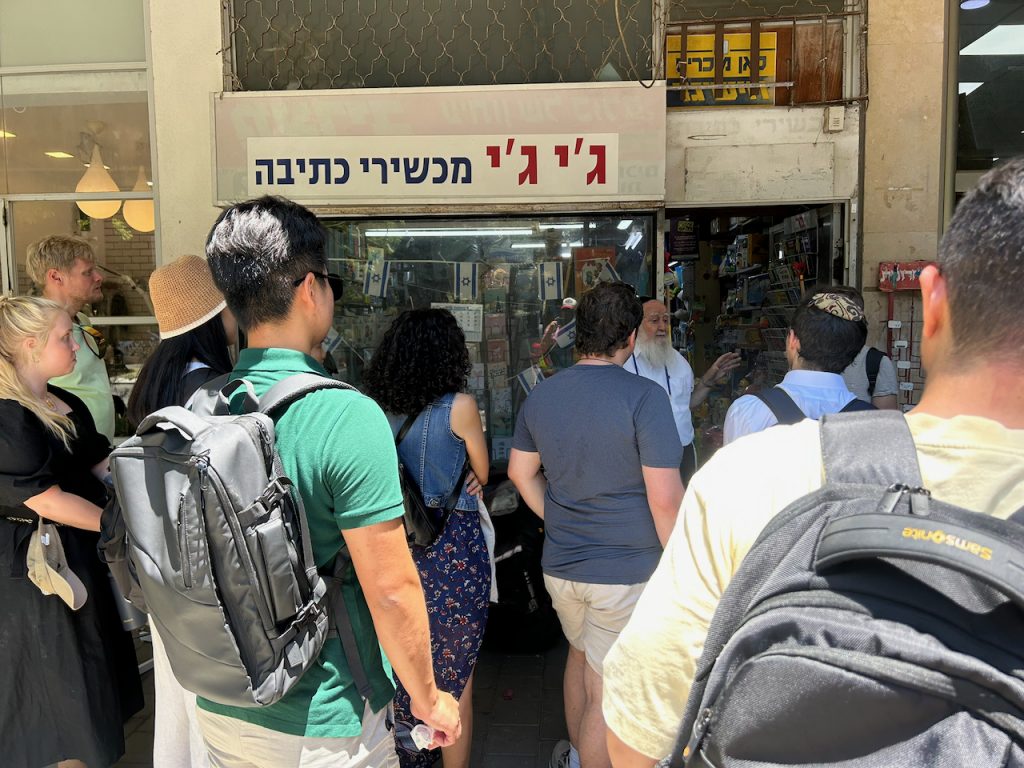
Following the lecture, Prof. Shavit took the fellows to Golda Meir’s historic residence in Ramat Aviv, located a few hundred meters from the TAU campus. They then went to visit the historic homes of former prime ministers Shimon Peres and Yitzhak Rabin, also located close to campus, and discussed one of the most curious rivalries in Israeli politics, as well as the circumstances that led to Rabin’s assassination by a Jewish militant in 1995. On the way, the Fellows stopped by Ramat Aviv’s iconic Gigi’s General Store, where, over the course of forty years, its ultra-Orthodox owner established himself as a fixture in one of Israel’s most secular neighborhoods. There, the Fellows asked him about his business, his history in the neighborhood and about religious and secular issues in Israel.
Iran in the Spotlight
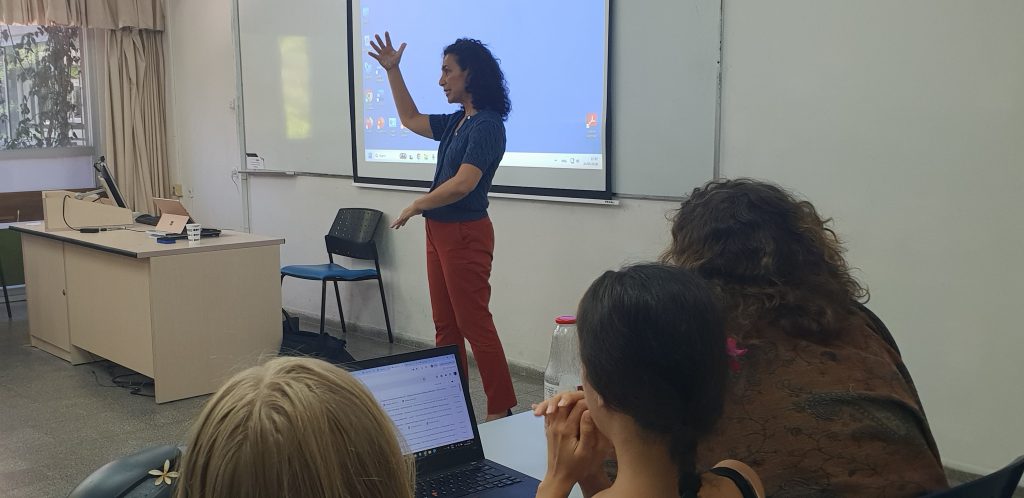
On Sunday, May 24, the Cotler Institute was honored to host Dr. Sharon Nazarian, an Iranian-American academic and international affairs expert, who spoke with the Fellows about Iranian Jewish identity and the future of the Islamic republic.
Born in Iran and raised in the United States following the 1979 Iranian Revolution, Dr. Nazarian has dedicated much of her academic and public work to combatting antisemitism and extremism, Middle Eastern politics, Jewish identity, and intercultural dialogue. She has played a leading role in promoting Israel studies and educational initiatives in both the United States and Israel.
Dr. Nazarian began her lecture with a lively historical overview of the Jewish community within Iranian society, tracing the political and social developments that shaped it until the 1979 Iranian Revolution. Addressing issues of identity and belonging, she explored how Iranian Jews in the diaspora have maintained and navigated their identities and analyzed the complicated realities faced by Jews who continue to live in Iran today. She then provided an assessment of the contemporary geopolitical landscape.
Dr. Nazarian’s talk concluded with an engrossing Question and Answer session with the Cotler Fellows on the Iranian Jewish community, Islamist antisemitism, gender rights, and what’s next for Iran. The fellows, who found the 90-minute lecture exceptionally topical and inspiring and had many more questions, continued the discussion with Dr. Nazarian over pizzas at lunch.
Israeli Flavors
In recent years, Israeli food culture has attracted growing international attention, driven by the global popularity of Mediterranean cuisine, vibrant street food, and plant-based cooking traditions. Dishes such as hummus, shakshuka, sabich, and fresh market-style salads have become staples in restaurants and home kitchens around the world, while Israeli chefs and cookbooks have helped introduce broader audiences to the country’s diverse culinary influences.
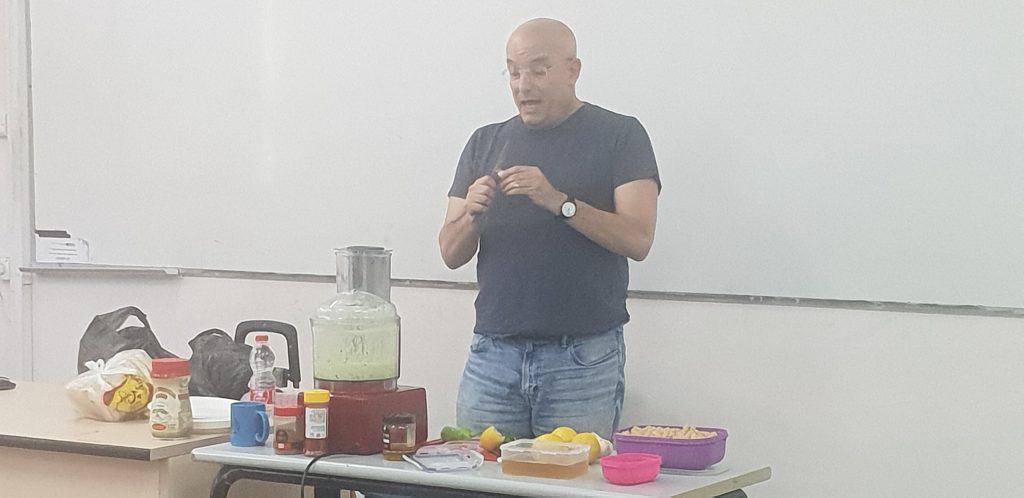
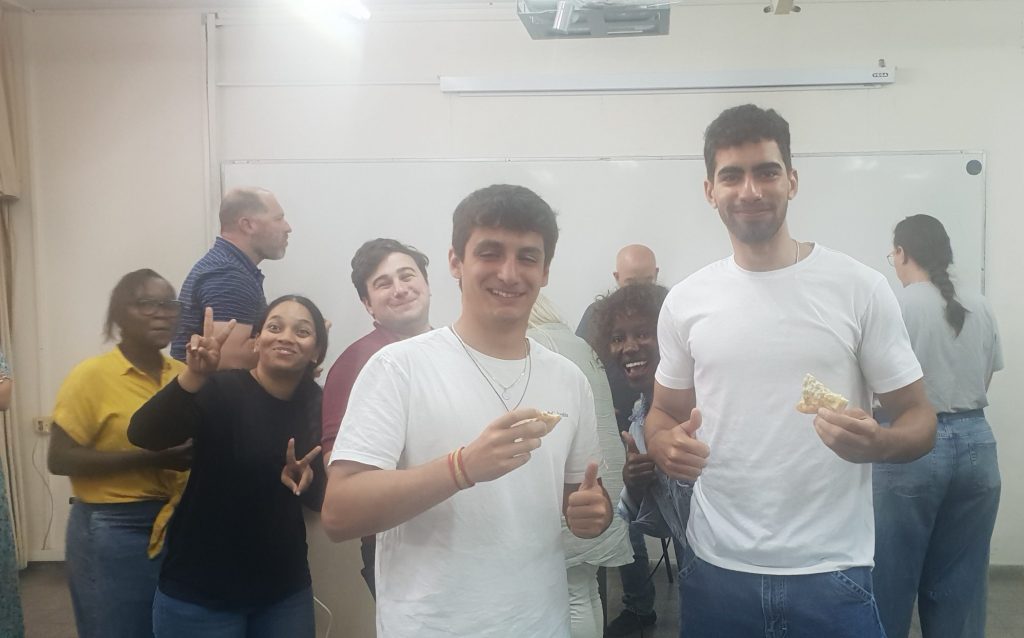
In this light, the Cotler Institute invited Mr. Gil Hovav, a leading culinary journalist and TV personality in Israel, to provide the Fellows a hands-on workshop on how to make hummus and a lecture on Israeli cuisine. Blending humor, history, and food, Mr. Hovav opened the session by discussing common misunderstandings surrounding Israeli food and culture. Through stories and anecdotes, he explored how Israeli dishes are often outlined as examples of cultural appropriation, arguing instead that they reflect culinary traditions rooted in the land and deeply intertwined with national identity over time. Central to the discussion was hummus, which Mr. Hovav described not simply as a food but as a cultural institution in Israel. Alongside these insights, he demonstrated how to prepare hummus while inviting participants to taste and to ask questions on a wide range of topics.
Mr. Hovav also spoke about family history, particularly his great-grandfather, Eliezer Ben-Yehuda, and the extraordinary revival of the Hebrew language. The lecture was filled with fascinating, humorous, and at times almost unbelievable stories from Ben-Yehuda’s life journey and his dedicated mission to revive Hebrew in the Jewish homeland—a mission that succeeded in ways few could have imagined. Mr. Hovav illustrated how the revival of modern Hebrew became far more than a linguistic project. It became a story of Jewish survival, unwavering determination, and the success of Zionism itself, what some would even describe as a modern miracle.
A Taste of Yemen
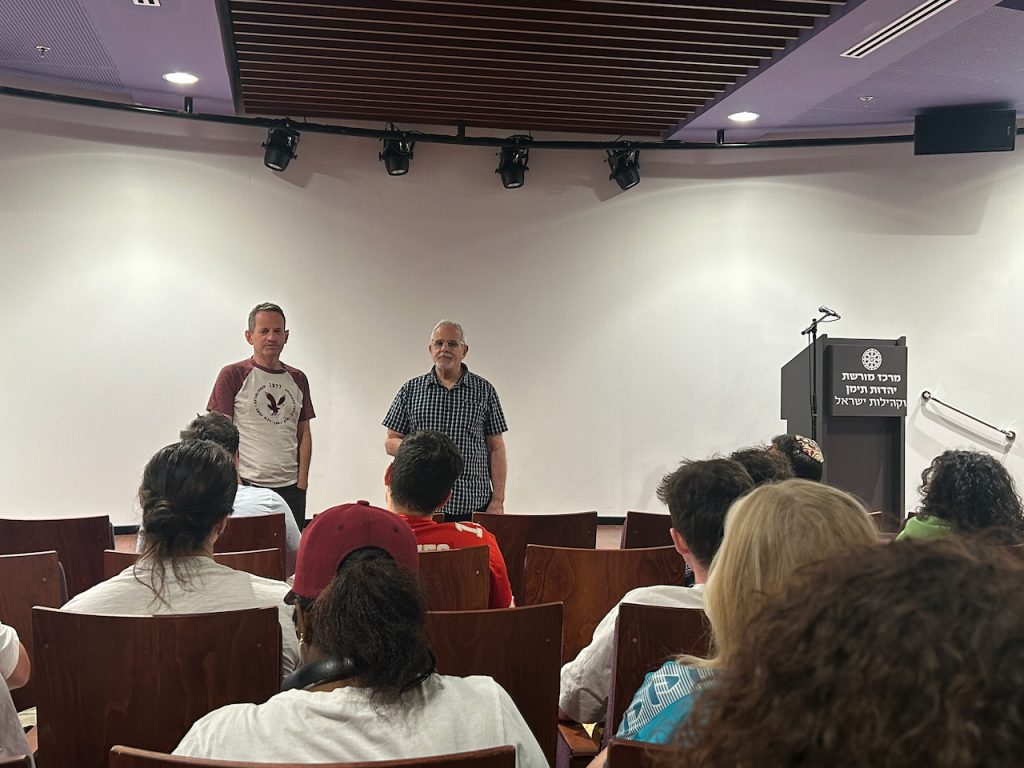
On Sunday, May 17, the Cotler Fellows traveled to central and southern Israel for a day exploring the diverse cultural and historical landscapes of the country. The day began with a visit to the Yemenite Heritage Center and the Jewish Communities of Israel Museum in Rehovot. Through the museum’s exhibits, the Fellows learned about the history, traditions, and cultural heritage of Yemenite Jewry, one of the oldest and most distinctive Jewish communities in the diaspora. During the visit, the Fellows met with Mr. Hananya Koresh, the museum’s founder, who spoke about the experiences and hardships faced by Yemenite Jewish immigrants in the early years following the establishment of the State of Israel. The visit provided insight into the community’s journey to Israel and its lasting influence on Israeli society, music, cuisine, and religious life.
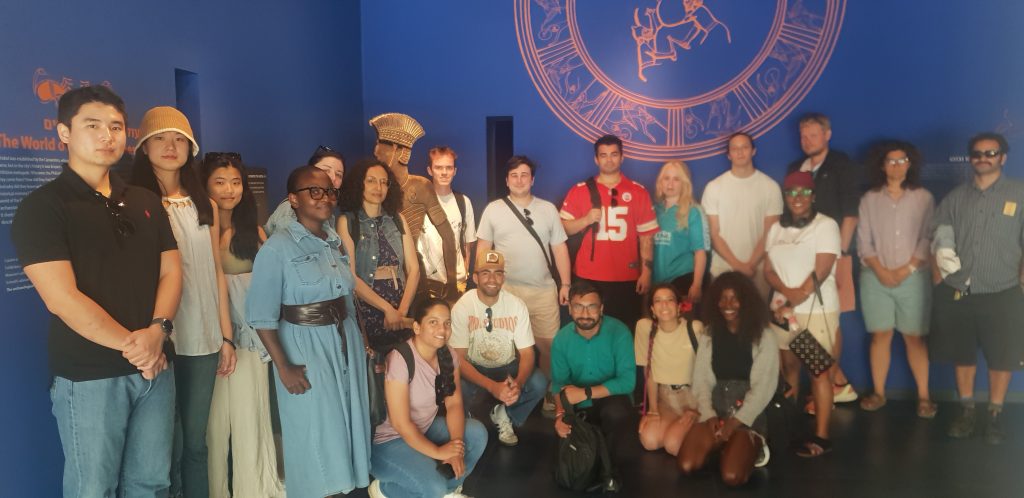
Following their time in Rehovot, the Fellows continued south to the coastal city of Ashdod, one of Israel’s most culturally diverse cities and home to communities from across the Jewish diaspora. There, the Fellows visited the Museum of Philistine Culture, where they were introduced to the history of the Philistines, ancient seafaring peoples who settled along the coastal regions of Canaan thousands of years ago.
Afterwards, the Fellows enjoyed a relaxing afternoon at Ashdod’s Mi Ami Beach. Located along the Mediterranean coastline, the beach offered an opportunity to unwind, swim, and enjoy the vibrant atmosphere of the city. Many Fellows explored the nearby promenade and restaurant boulevard, known for its wide range of cuisines reflecting Ashdod’s multicultural character, including influences from North Africa and the Caucasus.
Across Israeli Society
In recent weeks, the Cotler Fellows have participated in a series of lectures examining questions of Arab social and political life in Israel, international law, Holocaust memory, and Israeli national security.
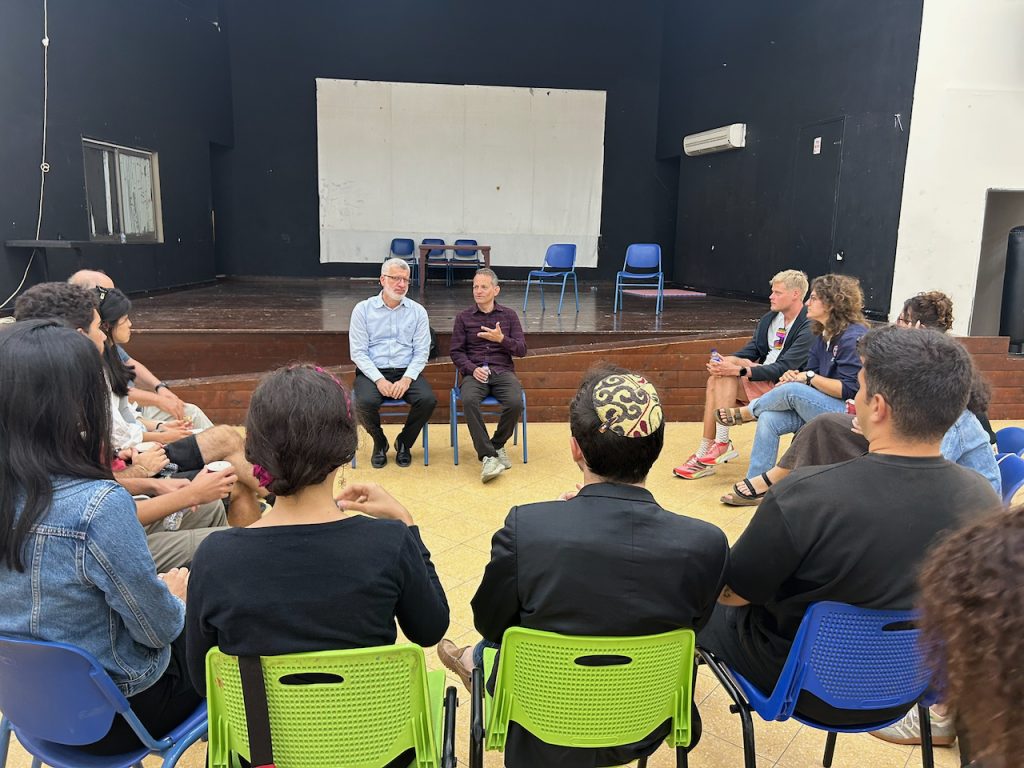
On Sunday, May 3, the Fellows visited Kafr Qasim, an Arab city in central Israel, where they met with Sheikh Safwat Freij, the head of the Islamic Movement in Israel. In a candid and wide-ranging discussion, Sheikh Freij addressed the legacy of the 1956 Kafr Qasim massacre as well as the broader social and political dynamics shaping Arab society and political participation within Israel today. Fellows engaged directly with Sheikh Freij through an extended question-and-answer session, gaining deeper insight into the complexities, tensions, and opportunities in Arab society in Israel.
The following week, on Sunday, May 10, the Fellows participated in a series of lectures focused on international law, Holocaust memory and remembrance, and Israeli security affairs. The day began with a lecture by Miriam Guetta of Haifa University titled “Human Shields in International Law vs. Sharia Law.” Guetta explored how the use of human shields is treated within international humanitarian law and compared these legal frameworks with perspectives found in Islamic jurisprudence. The lecture encouraged Fellows to consider the legal, ethical, and strategic dilemmas associated with modern armed conflict, particularly in the context of asymmetric warfare.
The Fellows then heard a lecture by Dr. Carl Yonker, the Institute’s academic director, on the Japanese diplomat Chiune Sugihara, who helped thousands of Jewish refugees escape Europe during the Holocaust by issuing transit visas in defiance of his government’s orders. Dr. Yonker examined the role of figures such as Sugihara in Holocaust education and public memory, raising broader questions about the emphasis often placed on heroic rescuers rather than on victims or perpetrators of the Holocaust. The discussion prompted reflection on how societies construct narratives of historical atrocity and the ways in which stories of rescue and moral courage shape collective understandings of the Holocaust.
The program concluded with a lecture by a former Israeli security official, who provided the Fellows with an overview of Israel’s security and intelligence establishment and the challenges facing the country’s national defense apparatus. Drawing on his professional experience, the official discussed the structure and coordination of Israel’s security institutions and offered practical insight into the realities of Israeli security policy and decision-making. He also discussed the inherent tensions between intelligence work and democracy, balancing the needs of secrecy for security with transparency and what oversight and legal frameworks exist to prevent abuse and overreach.
Trip to the Galilee
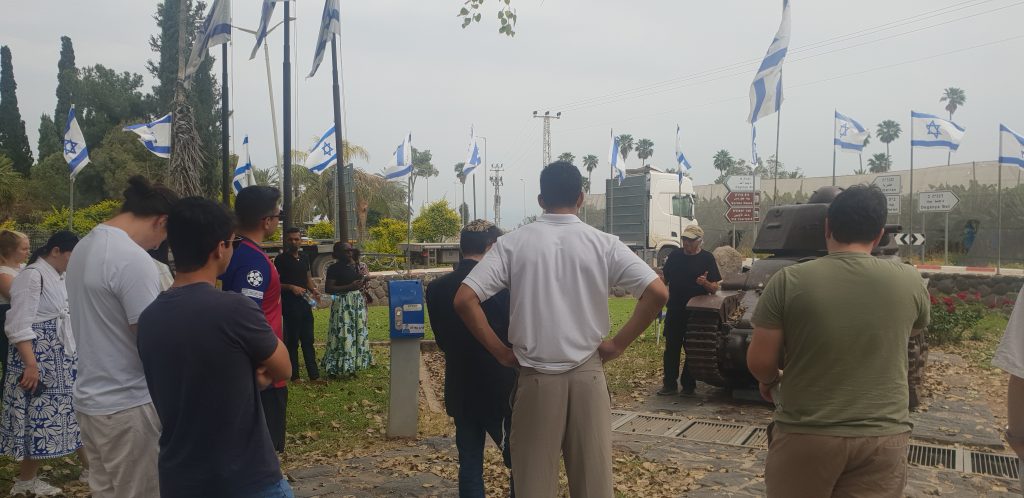
On Sunday, April 26, the Cotler Fellows visited several sites around the Sea of Galilee. The day began with a guided tour of Kibbutz Degania Aleph. Established in 1910 in the Jordan Valley by a group of ten men and two women, Degania Aleph is considered the first Zionist communal agricultural settlement in the Land of Israel and gave birth to the kibbutz movement. During the 1948 Arab–Israeli War, Degania played a critical defensive role. In May 1948, Syrian forces advancing from the east reached the kibbutz, threatening to push toward Tiberias. Despite limited weaponry, residents and reinforcements mounted a determined defense, including the use of improvised explosives, halting the Syrian advance. During the tour, the Fellows visited the reconstructed wooden shack where the original group of twelve lived and the kibbutz museum, and learned about past and current life on the kibbutz.
Following their visit to Kibbutz Degania, the Fellows enjoyed some free time to swim, eat, and relax at Hukok Beach on the northwestern shores of the Sea of Galilee. After a cool and refreshing swim, the Fellows continued on to visit the Mount of Beatitudes (Har HaOsher), overlooking the sea, where Jesus is said to have given his famous Sermon on the Mount. There, Dr. Carl Yonker, the Institute’s Academic Director, spoke about the site and other Christian sites on the northern shores of the Galilee, including Tabgha and Kfar Nahum (Capernaum).
Visiting Yad Vashem
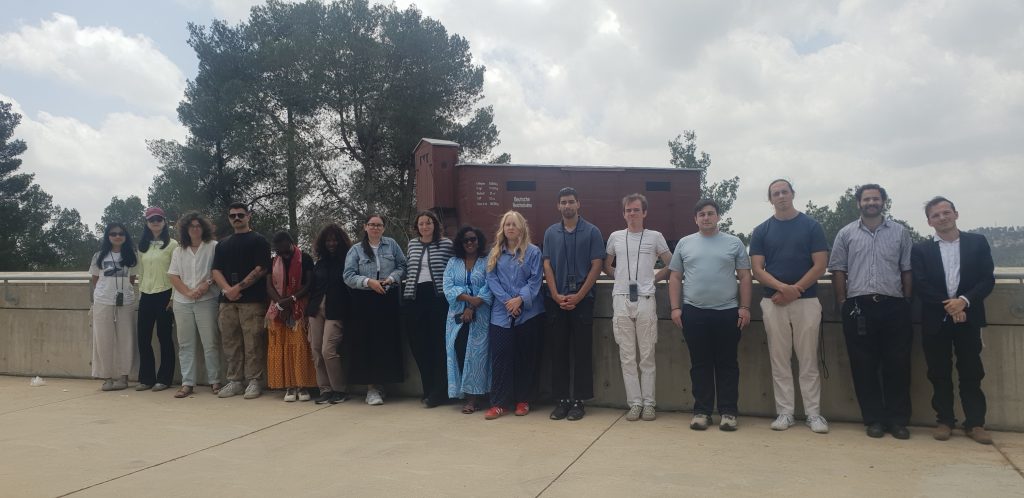
On April 19, the Irwin Cotler Fellows embarked on their first trip of the second semester, a day marked by profound historical reflection and a stark transition from the shadows of the past to the unique natural landscapes of the region. The day began at Yad Vashem, the World Holocaust Remembrance Center and Israel’s official memorial to the victims of the Shoah. The visit served as a sobering immersion into the systematic destruction of European Jewry and the vital importance of safeguarding the memory of those lost to one of humanity’s darkest chapters.
Following the tour, Prof. Uriya Shavit, the Head of the Institute, led a discussion on the complexities of memory and representation across museums, literature, and cinema. The discussion examined the impact of focusing on the “heroes” of the Shoah versus its victims and analyzed two seminal poems by Dan Pagis: “Written in Pencil in the Sealed Railway-Car” and “Testimony”. Through these texts, the Fellows explored the linguistic challenges of expressing the unimaginable. A key point of the discussion was Pagis’s refusal to provide a composite or sensory picture of the Shoah, instead utilizing sparse biblical metaphors and a protest against the inversion of divine justice.
The discussion was then grounded in personal narrative as Fellow Nancye Kochen shared testimonies regarding her own family’s experiences during the Shoah. Her contribution offered a poignant bridge between historical memory and individual legacy, reminding the group of the living memory carried by the descendants of survivors.
In the afternoon, the fellows traveled toward the Judean Desert for their second stop: Ein Bokek on the shores of the Dead Sea, one of the world’s most magnificent natural wonders. Here, the Cotler fellows had the chance to relax and unwind, floating in the sea, coating themselves in nutrient-rich mud, and enjoying the mountainous desert landscapes at 440 meters below sea level.