In the Footsteps of Patriarchs
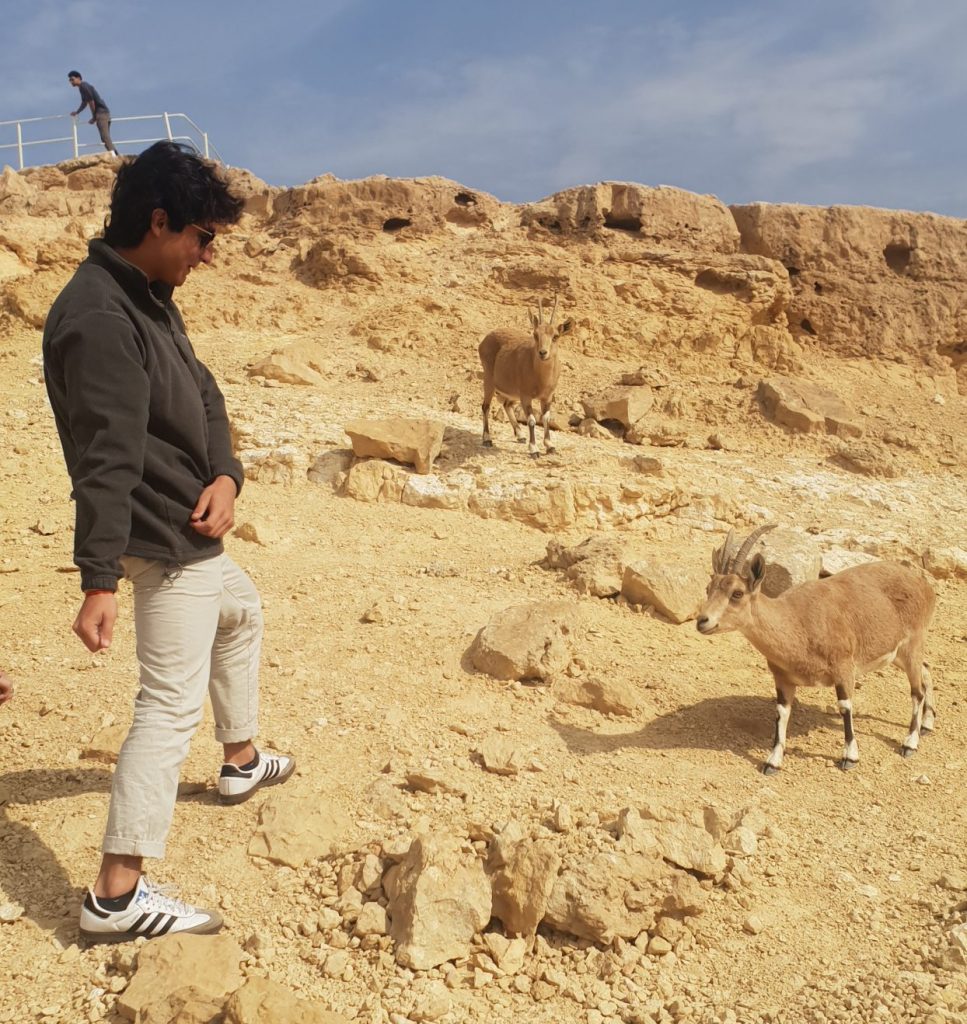
On November 30, the Irwin Cotler Fellows journeyed south into the Negev on their second field trip of the year, beginning with the vast expanse of Makhtesh Ramon. As the world’s largest geological erosion crater, Makhtesh Ramon reveals millions of years of tectonic shifts, receding seas, and the slow carving power of wind and water. From vantage points overlooking the crater, the Fellows took in sweeping views of multicolored rock layers and watched nimble ibex herds navigating the rocky terrain.
From there, the Fellows continued to Tel Be’er Sheva, a UNESCO World Heritage archaeological site closely tied to the biblical narratives of the Patriarchs. Known as the “City of Seven Wells,” the tel consists of fifteen layers of settlement, the most striking of which are the visible remains of a meticulously planned Iron Age city, including an impressive water system. The site’s horned altar, dated to the time of Hizkiyah at the end of the 8th century BCE, and the site’s connections to figures such as Abraham, Isaac, and Jacob, allowed the Fellows to step imaginatively into the world of the Patriarchs and ancient Israelites.
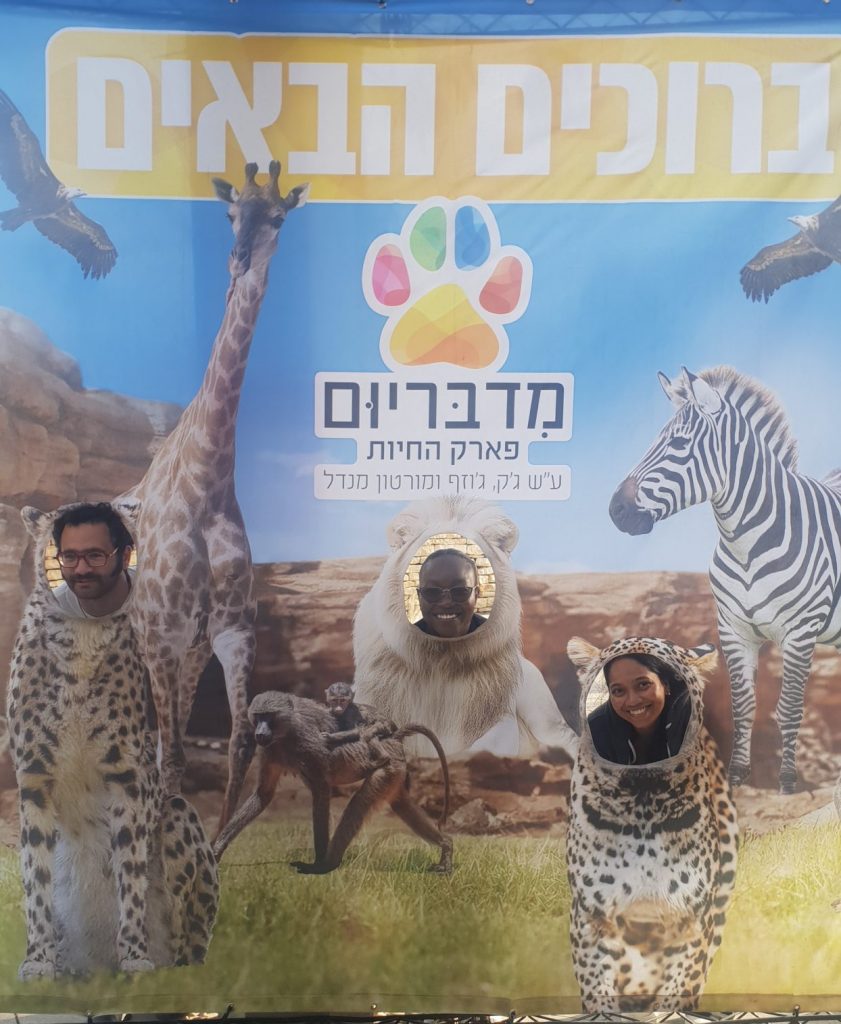
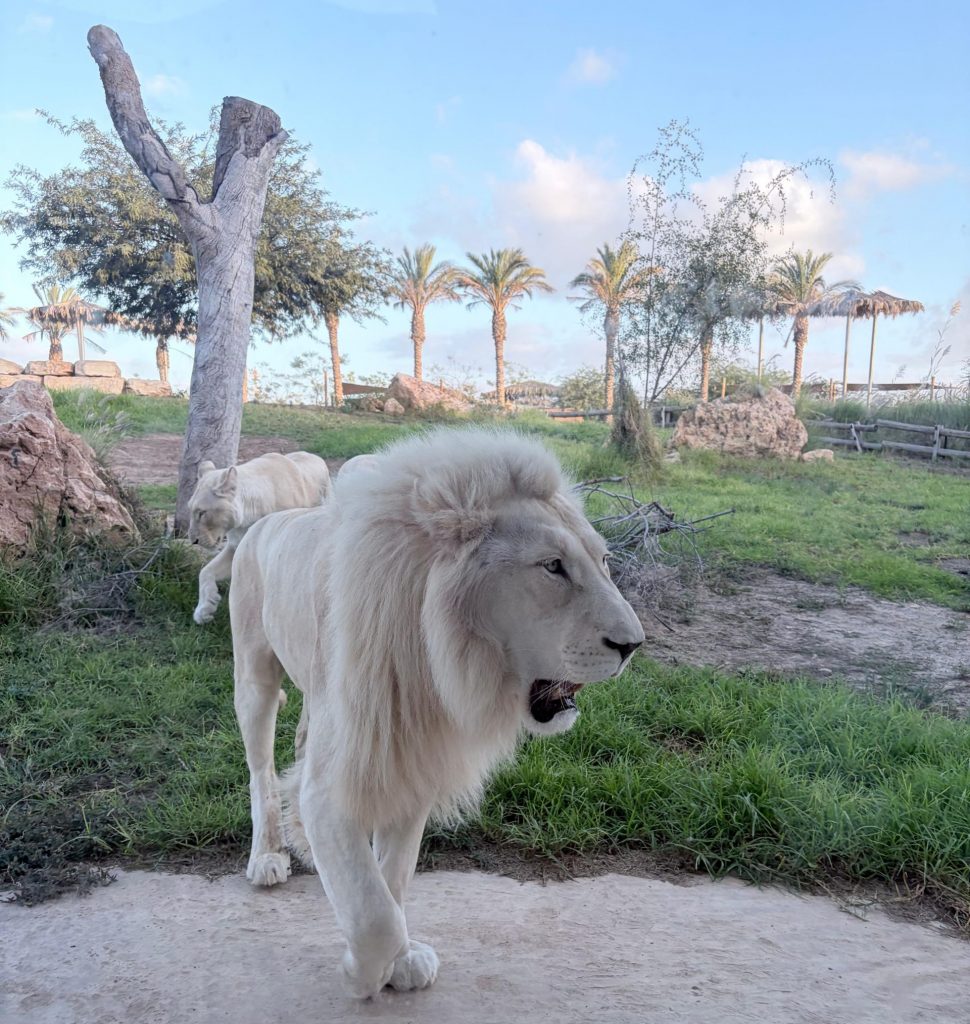
The final stop was the Midbarium, a new, interactive zoo in Be’er Sheva dedicated to desert ecology and conservation. Here, the Fellows encountered a remarkable range of wildlife, including meerkats, baboons, giraffes, zebras, crocodiles, and the unforgettable white lions whose roar reverberated across the park.