Israeli Flavors
In recent years, Israeli food culture has attracted growing international attention, driven by the global popularity of Mediterranean cuisine, vibrant street food, and plant-based cooking traditions. Dishes such as hummus, shakshuka, sabich, and fresh market-style salads have become staples in restaurants and home kitchens around the world, while Israeli chefs and cookbooks have helped introduce broader audiences to the country’s diverse culinary influences.
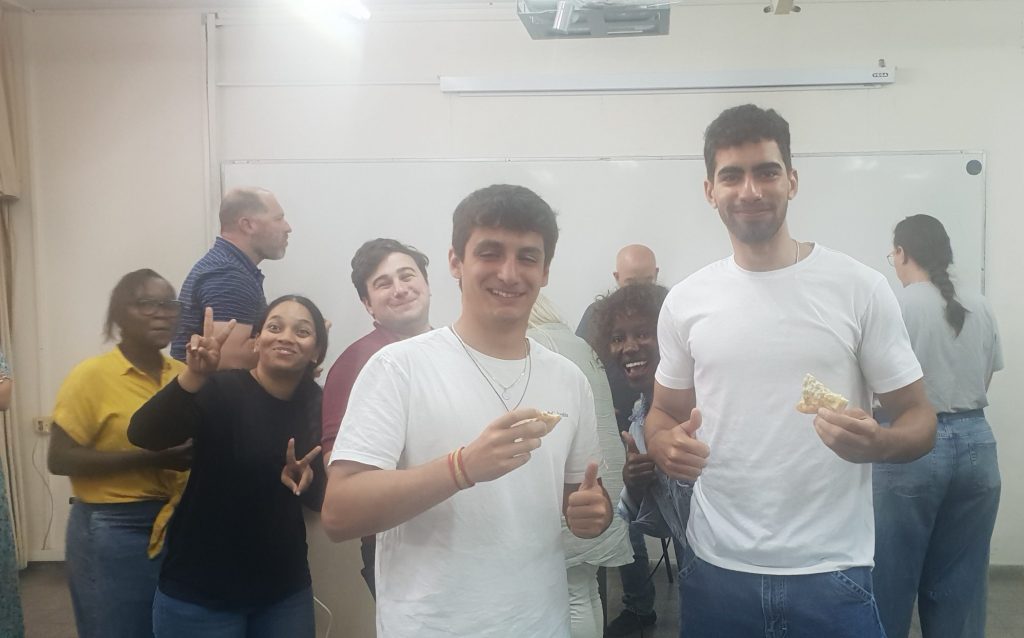
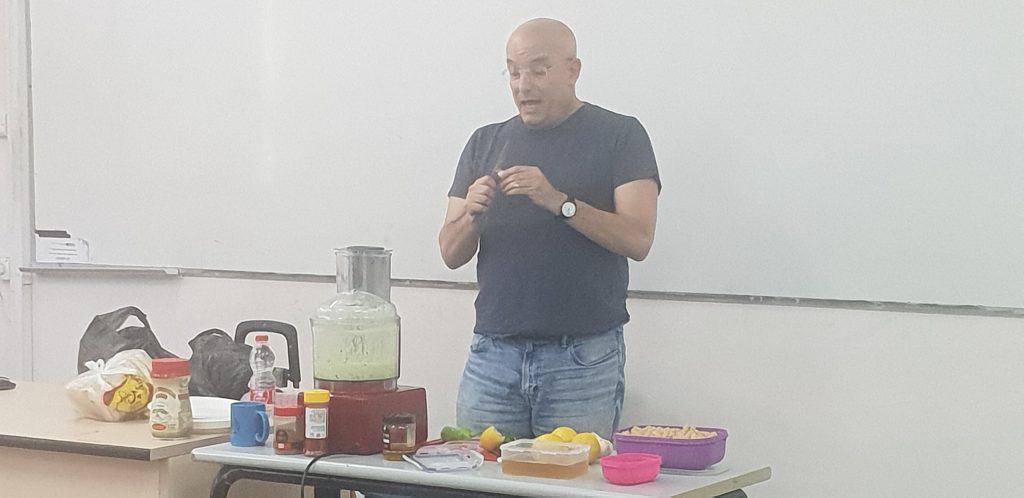
In this light, the Cotler Institute invited Mr. Gil Hovav, a leading culinary journalist and TV personality in Israel, to provide the Fellows a hands-on workshop on how to make hummus and a lecture on Israeli cuisine. Blending humor, history, and food, Mr. Hovav opened the session by discussing common misunderstandings surrounding Israeli food and culture. Through stories and anecdotes, he explored how Israeli dishes are often outlined as examples of cultural appropriation, arguing instead that they reflect culinary traditions rooted in the land and deeply intertwined with national identity over time. Central to the discussion was hummus, which Mr. Hovav described not simply as a food but as a cultural institution in Israel. Alongside these insights, he demonstrated how to prepare hummus while inviting participants to taste and to ask questions on a wide range of topics.
Mr. Hovav also spoke about family history, particularly his great-grandfather, Eliezer Ben-Yehuda, and the extraordinary revival of the Hebrew language. The lecture was filled with fascinating, humorous, and at times almost unbelievable stories from Ben-Yehuda’s life journey and his dedicated mission to revive Hebrew in the Jewish homeland—a mission that succeeded in ways few could have imagined. Mr. Hovav illustrated how the revival of modern Hebrew became far more than a linguistic project. It became a story of Jewish survival, unwavering determination, and the success of Zionism itself, what some would even describe as a modern miracle.