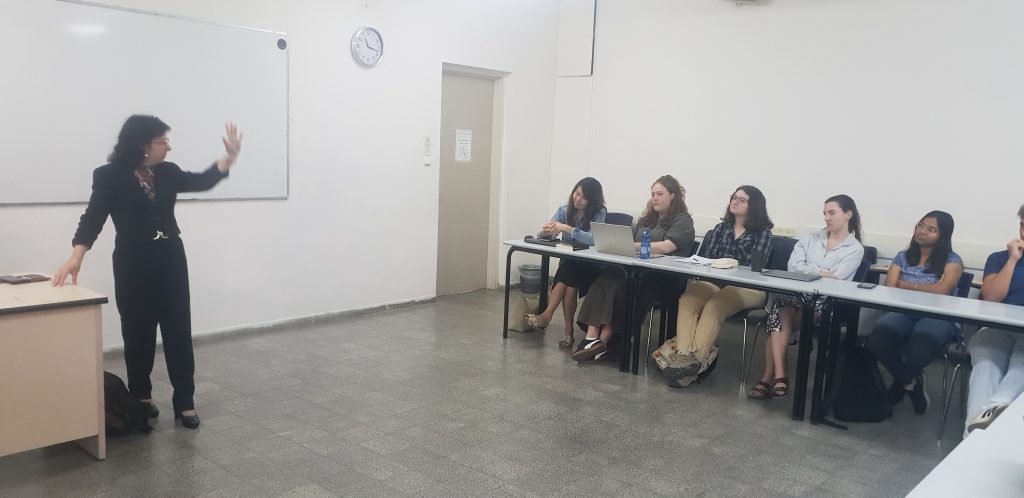
On Sunday, April 26, Irwin Cotler Fellows explored aspects of the struggle for gender equality in Israeli politics and diplomacy. The day began with a lecture by Foreign Ministry official Hagit Ben Yaacov, former Israeli ambassador to Latvia, Lithuania, Finland and Estonia. Ben Yaakov shared her inspiring life story that brought her from a humble background in Israel’s periphery to top diplomatic missions. She discussed the unique challenges women diplomats have faced, and still do, in Israel and other countries, what changed and what did not. She also discussed how she dealt with post-October 7 realities in Helsinki.
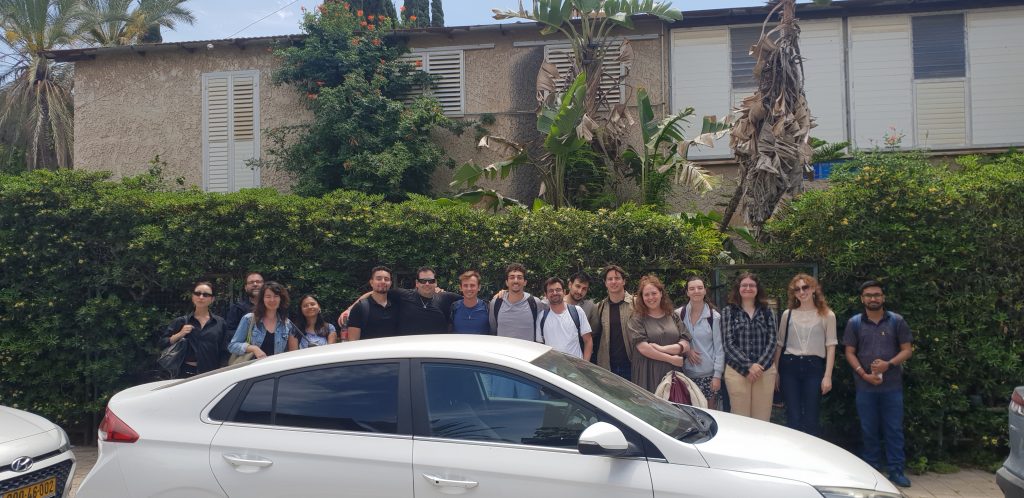
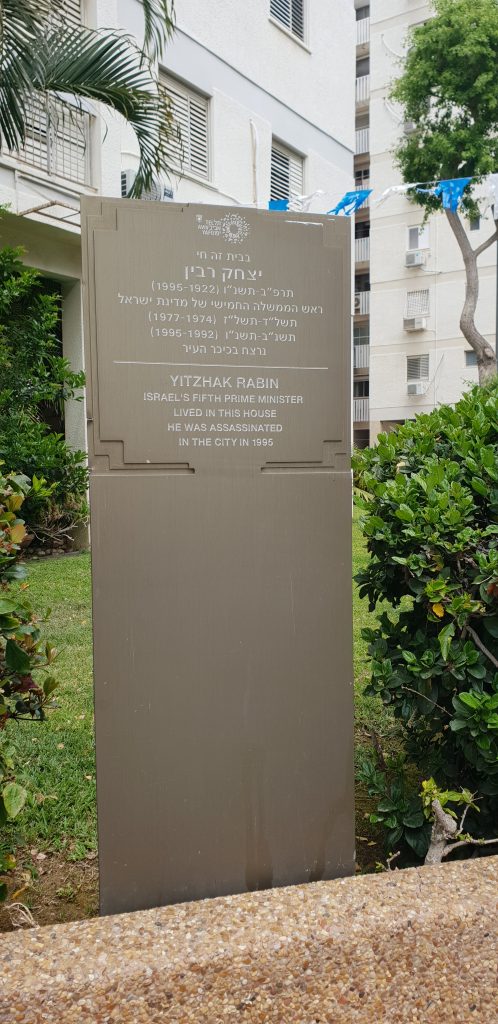
Following her lecture, the fellows went to Golda Meir’s historic residence in Ramat Aviv, located a few hundred meters from the TAU campus. Together with Prof. Uriya Shavit they discussed the history of the struggle over women’s right to vote in the early days of the Zionist community in Mandatory Palestine and how ultra-Orthodox opposition to universal suffrage was defeated. They also discussed the complicated legacy of Golda Meir, the first woman to serve as prime minister in a Western democracy, including with regard to gender rights. Noting that history is often in front of our eyes and overlooked, they then went to visit the historic homes of former prime ministers Yitzhak Rabin and Shimon Peres, also located close to campus, and discussed one of the most curious rivalries in Israeli politics, as well as the circumstances that led to Rabin’s assassination by a Jewish militant in 1995.
Day Trip to the Galilee
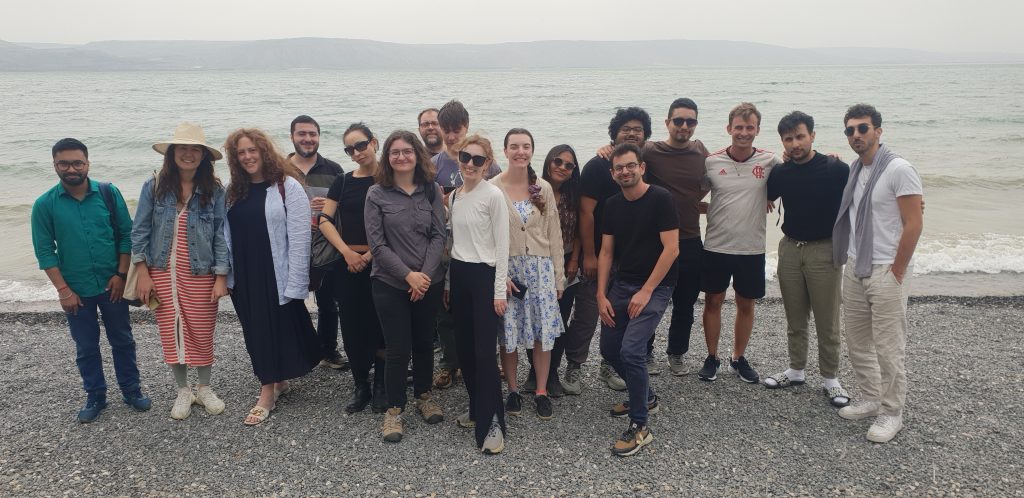
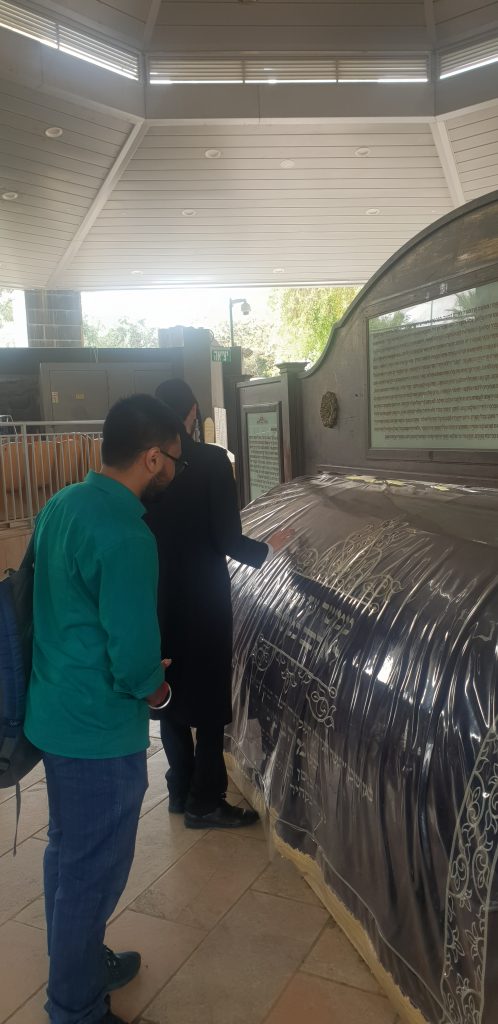
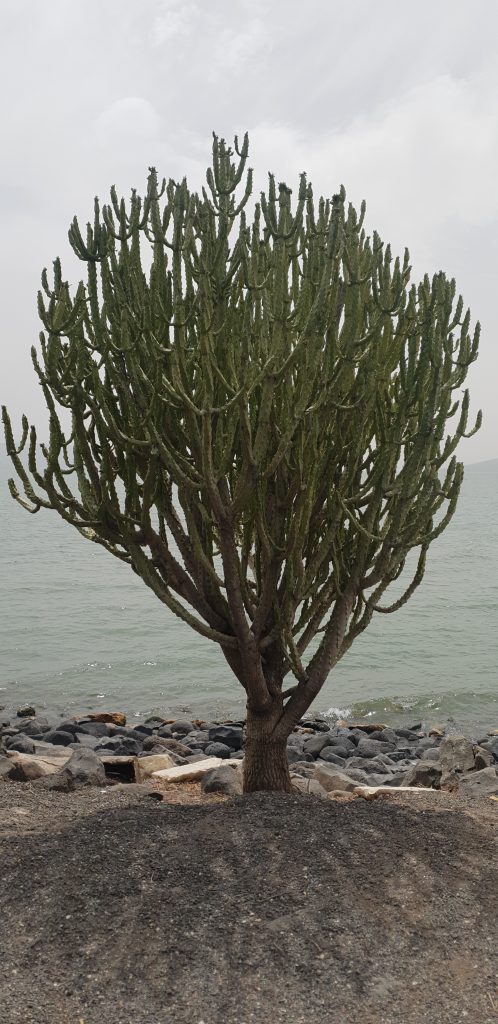
On Sunday, April 6, the Cotler Fellows toured several ancient Jewish and Christian sites around the shores of the Sea of Galilee. They first stopped in the city of Tiberias, one of the four holy cities in Judaism and the former hub of ancient Jewish life in the Galilee following the destruction of the Second Temple. There, they visited the graves of Maimonides (the Rambam), the prolific Sephardic Jewish rabbi, philospher, and Torah scholar who also served as the personal physician to Saladin, and of Yochanan Ben Zakkai, one of the most important Jewish sages of the late Second Temple period who was the key contributor to the Mishnah and the establishment of Rabbinic Judaism.
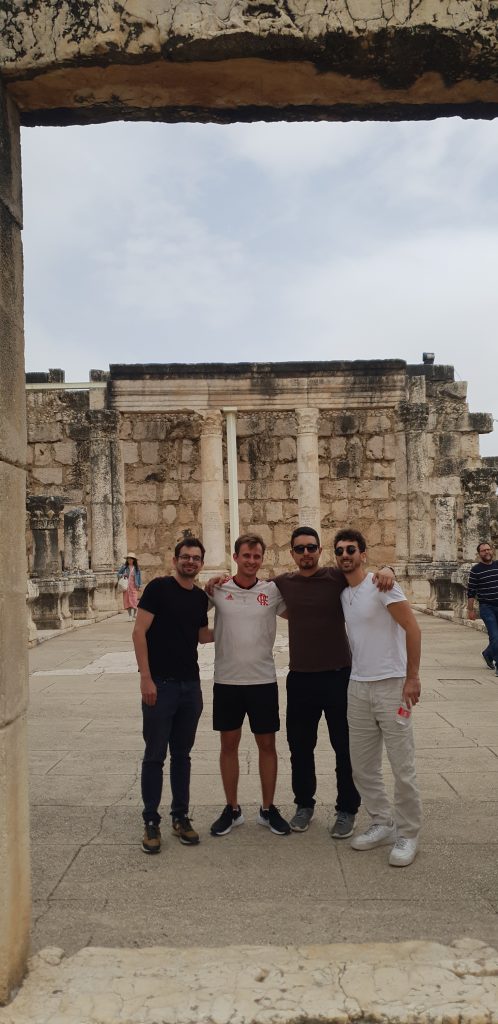
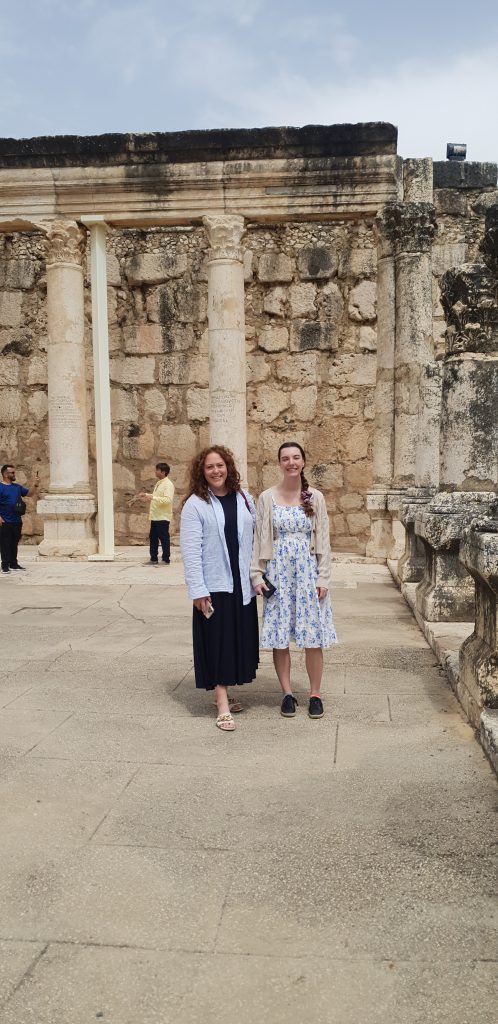
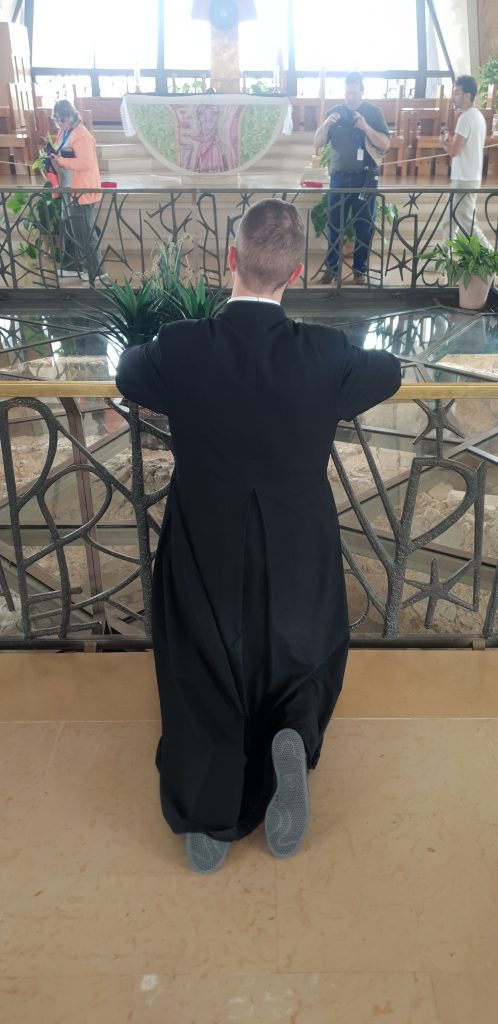
After Tiberias, the Fellows visited the ancient synagogue at Capernaum (Kfar Nahum), a bustling Second Temple fishing village on the northern shores of the Sea of Galilee where Jesus and several of his followers lived. The site houses many well-preserved archaeological findings, including the third-century synagogue and ruins of the town. The Fellows then visited Tabgha, or “Ein Sheva” in Hebrew, the site associated with Jesus’ miracle of the multiplication of the loaves and fishes, and the Mount of Beatitudes (Har HaOsher), overlooking the sea where Jesus is said to have given his famous Sermon on the Mount.
After some free time to swim and leisure at Hukok Beach on the shores of the Galilee, the Fellows returned home to Tel Aviv.
Ramla Tour
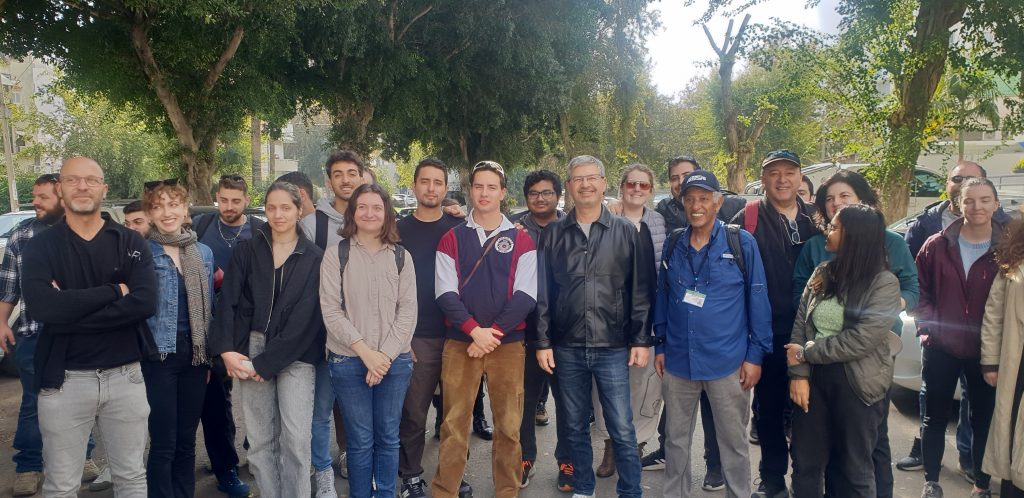
On Friday morning, January 17, the Irwin Cotler Fellows participated in a field tour of Ramla, exploring the rich history and the exciting present of one of the oldest cities in the country. They were joined by Israeli students of religions, including several who have recently returned from several months of reserve duty in Gaza.
The fellows met with the mayor, Michael Vidal (Likud), who spoke about Ramla as a mixed Jewish-Arab city known for its warmth, hospitality, rich history, and achievements in sports. Mayor Vidal noted that Ramla is home to diverse Jewish communities, including from India and Latin America, and discussed with the fellows his development plans, including those addressing university students. He asked the fellows to act as ambassadors for the city that is often negatively depicted.
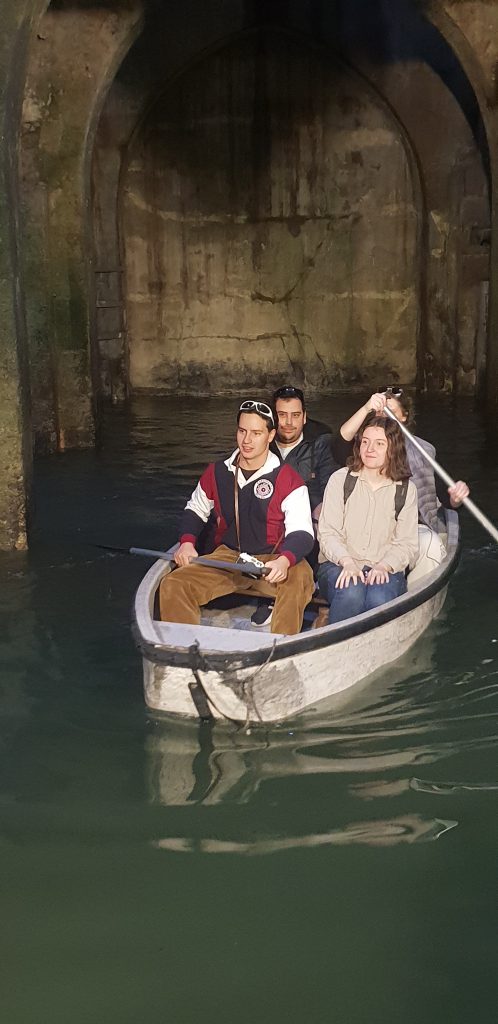
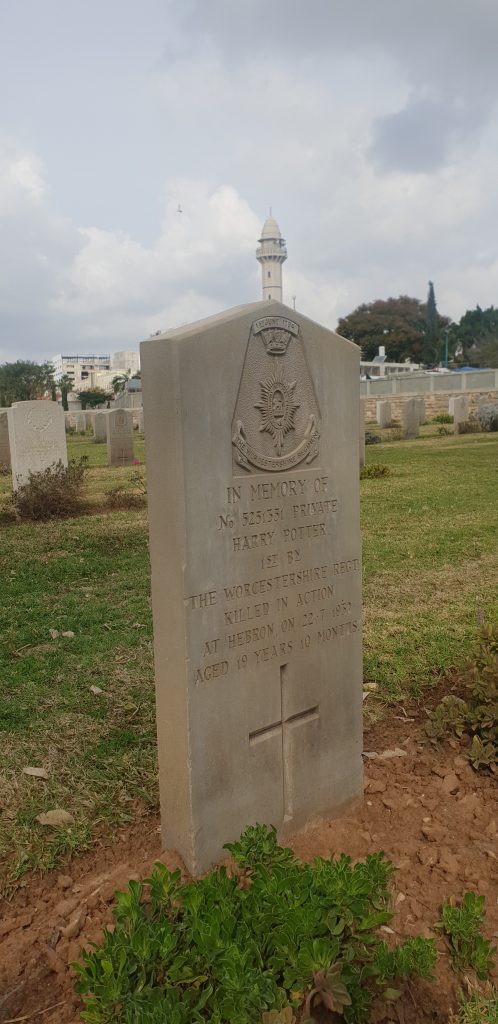
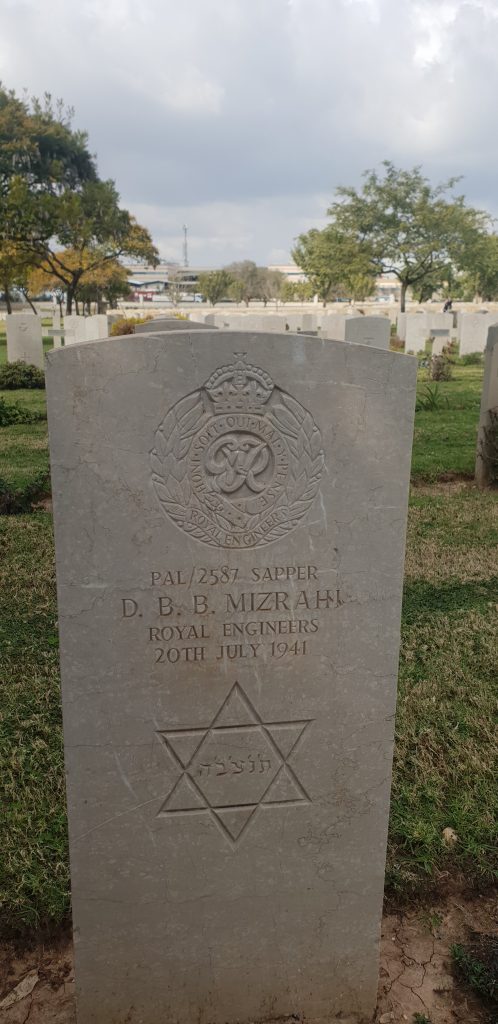
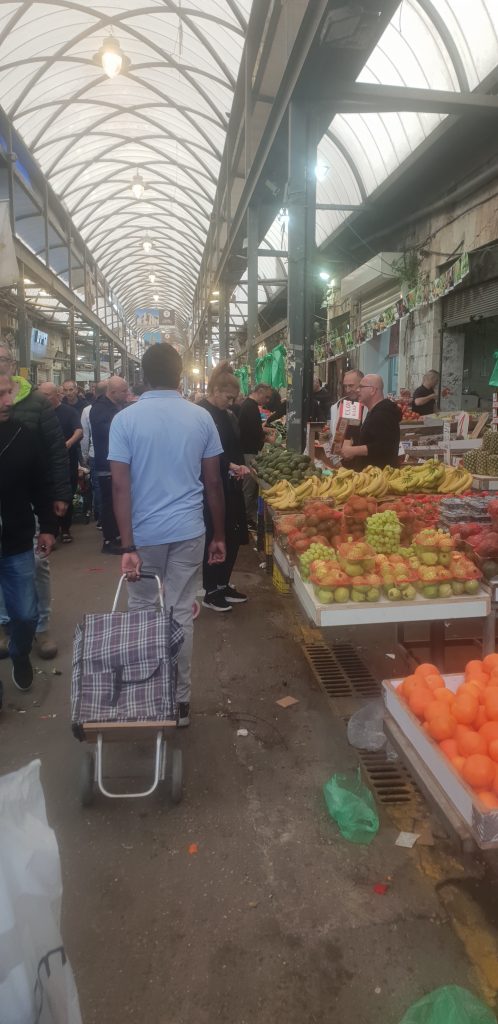
Guided by a local tour guide, the fellows visited the Grand Mosque of Ramla, the famous Pool of Arches, where they had a short sail in boats, the British Cemetery for soldiers killed in WWI, and the lively Ramla Market. An exciting day and another opportunity to learn about the charms and nuances of Israel.
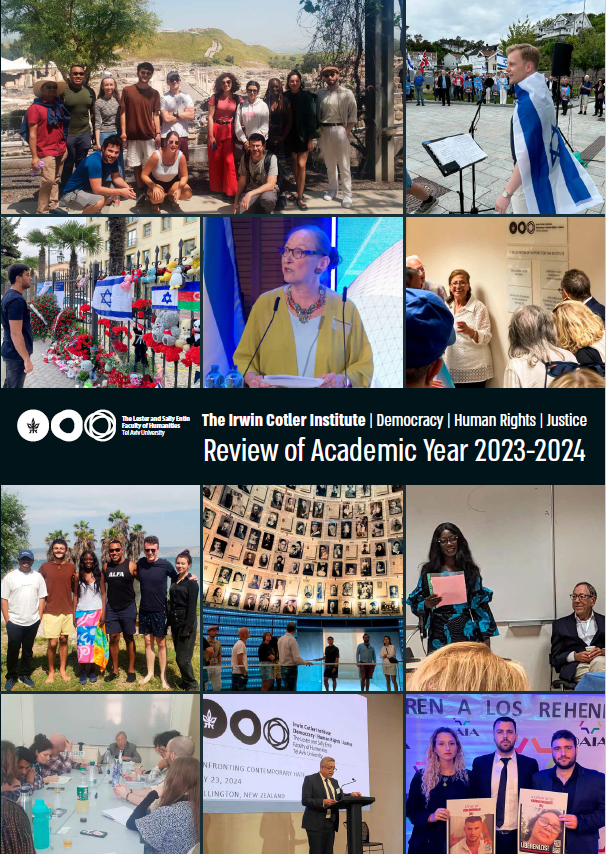
Review of Academic Year 2023-2024
Addressing Challenges to Democracy
During our December 22nd meeting, the Colter Fellows stepped into the shoes of legislators, presenting innovative proposals for new laws to address pressing challenges to democracy. These proposals, spanning local and global contexts, sparked lively debates and deep reflections on the state of democracy worldwide. Here’s a glimpse into the thought-provoking ideas they shared. Click on the title to read the proposed laws:
Reviving Diaspora Democracy Fellow George Karatasios (Greece) championed a proposal to enable mail-in voting for Greeks living abroad. Highlighting the significant challenges faced by the Greek diaspora, he shared a personal anecdote about being required to travel from Tel Aviv to the Greek embassy in Cairo just to cast his vote. This provoked an interesting discussion about whether people abroad should be able to vote – regardless of how long they have lived abroad. Some students proposed that even those who have been outside of their home country for decades may maintain a strong connection, and should therefore have a say in the democratic elections of their home countries. This discussion brought up broader ideas about transnationalism and feelings of belonging to multiple counties at once, and the interplay of different identities within a democracy.
AI, Deepfakes, and the Fight Against Disinformation Fellow Dana Levinson (Ukraine/Israel) turned the spotlight on the perils of AI and deepfake technology, proposing stringent regulations to combat disinformation, particularly in the context of the Russia-Ukraine war and political campaigns worldwide. Her proposal ignited a debate on whether such regulations should target all regimes equally or focus specifically on authoritarian governments. Opinions diverged, with some arguing for the need to address propaganda in democratic nations as well, citing examples from Israel and the U.S.
Navigating Free Speech in the Digital Age Amarah Friedman’s (United States) proposal to criminalize hate speech based on disinformation in the U.S. tackled a controversial issue: balancing freedom of speech—a cornerstone of the U.S. Constitution—with the need to combat harmful rhetoric. This led to an impassioned dialogue on where to draw the line and how to safeguard democratic values while addressing misinformation.
Defining Antisemitism: A Legal Leap Avi Teich (Canada) closed the session with a proposal to adopt the IHRA definition of antisemitism as a legally binding standard in Canada. This move, aimed at curbing the alarming rise of antisemitism, especially on university campuses, sparked a nuanced discussion. Fellows debated the efficacy of the IHRA definition, the boundaries between legitimate criticism of Israel and antisemitism, and the challenges of codifying an evolving framework into law.
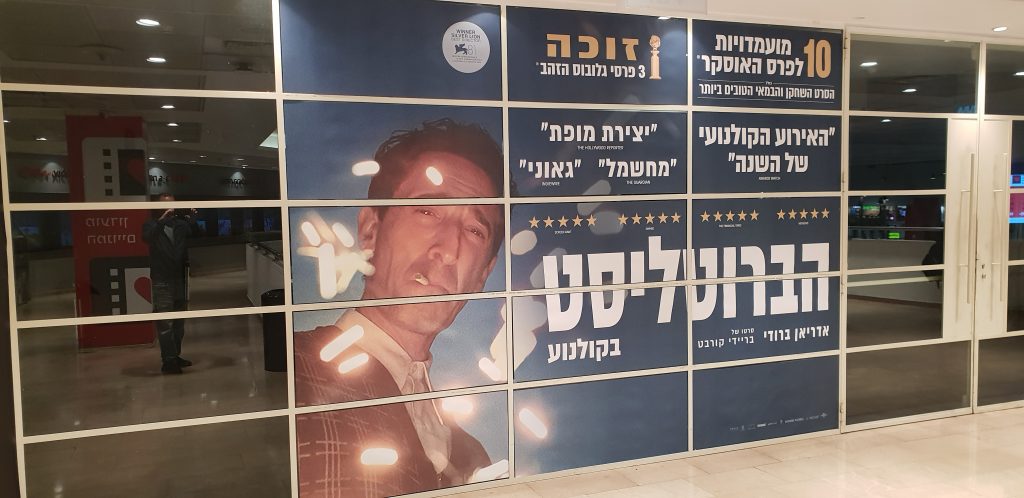
Special Screening of the Brutalist
On Sunday, March 23, the Cotler Institute hosted dozens of international students for a special exclusive screening of the award-winning 2024 film, The Brutalist. The film tells the story of a fictional Hungarian-Jewish architect navigating post-Holocaust Jewish life as an immigrant in the United States, touching on issues of hardship, prejudice, and assimilation in mid-20th century America.
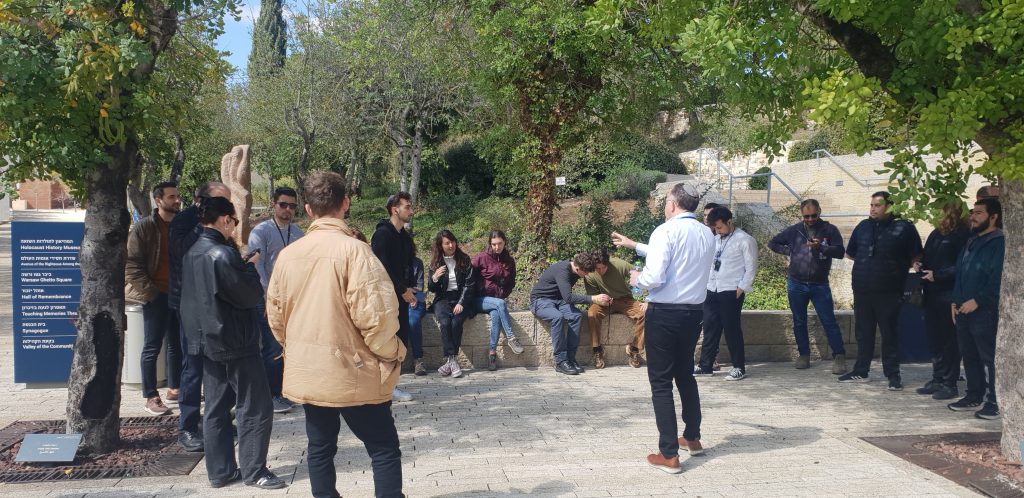
Before the film screening, the Cotler Fellows embarked on a field trip to Yad Vashem and the Dead Sea. At Yad Vashem, the Fellows received a detailed tour of Israel’s national Holocaust memorial musuem, gaining deeper insights into the history of antisemitism, the rise of the Nazi party, the resistance of the Jewish people, and an overall appreciation for remembrance and more broadly the dangers of unchecked hatred and discrimination.
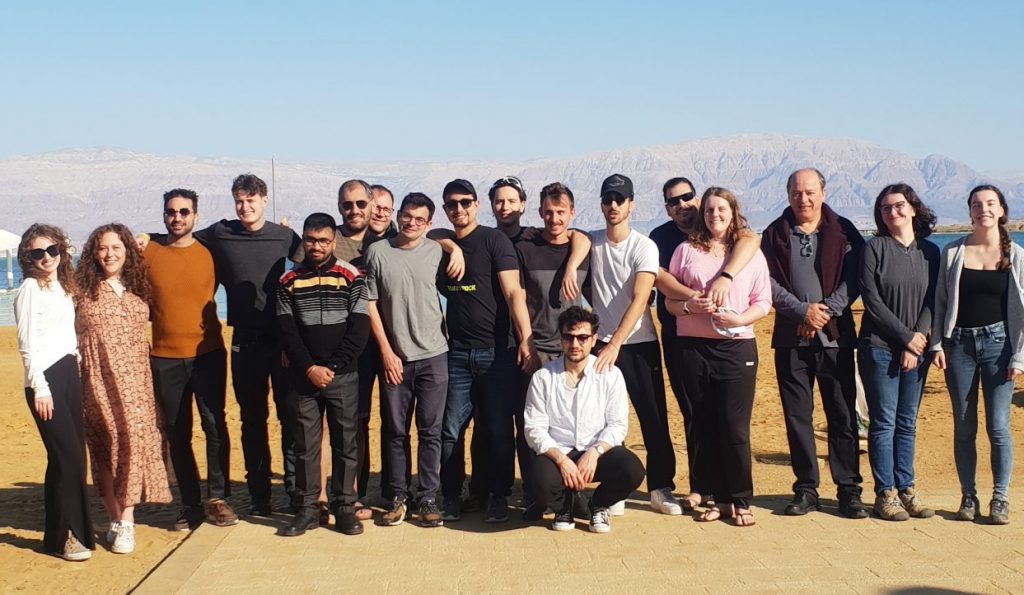
Following this powerful experience, the fellows traveled to the Dead Sea. Straddling the Israeli-Jordanian border at the lowest point on Earth’s surface, the Dead Sea is considered one of the world’s most magnificent natural wonders. Here, the Cotler fellows had the chance to relax and unwind, floating in the sea, coating themselves in nutrient-rich mud, and enjoying the mountainous desert landscapes.